Voice Assistant Integration: Enhancing Your Smart Home Experience
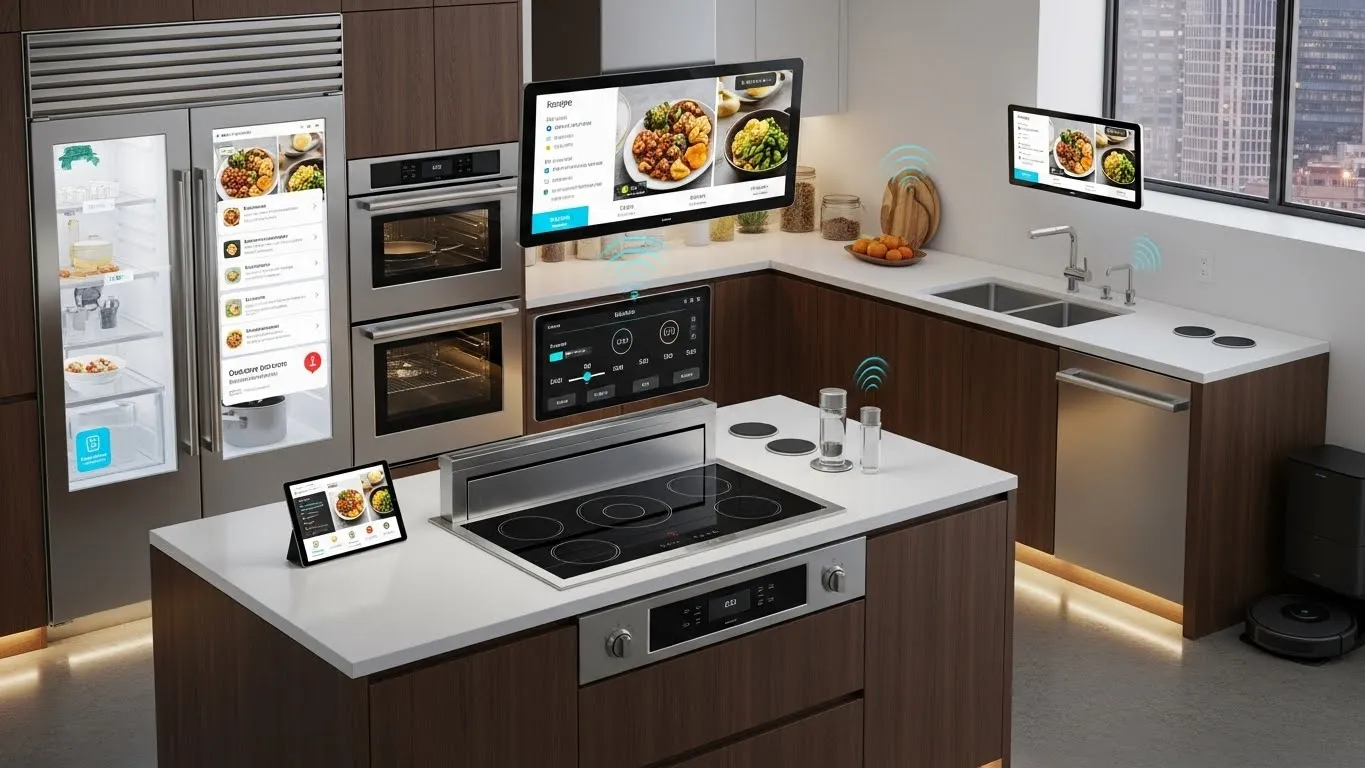
The modern home is evolving, and at its heart lies the transformative power of voice assistant integration. Imagine a world where your commands bring your home to life, from adjusting the thermostat to securing your doors, all with a simple phrase. This seamless blend of technology and daily living isn't just a futuristic dream; it's the present reality for many smart home enthusiasts. Integrating voice assistants like Amazon Alexa, Google Assistant, or Apple Siri into your smart home ecosystem unlocks unparalleled convenience, enhances security, and streamlines your daily routines, creating a truly intuitive living space.
Key Points:
- Effortless Control: Manage lights, temperature, and entertainment with simple voice commands.
- Enhanced Security: Arm alarms, lock doors, and monitor cameras using your voice.
- Streamlined Routines: Automate complex actions with custom voice-activated scenes.
- Improved Accessibility: Provides hands-free control for greater convenience and inclusivity.
- Future-Ready Home: Leverage cutting-edge AI for predictive automation and personalized experiences.
The Power of Voice Assistant Integration in Smart Homes
Voice assistant integration has revolutionized how we interact with our living spaces. What began as simple voice commands for playing music has blossomed into sophisticated control centers for entire homes. A smart home, by definition, is a residence equipped with devices that can be controlled remotely or automatically. When you introduce a voice assistant into this environment, you create a central hub that understands natural language, making interaction incredibly intuitive. This evolution from manual control to voice-activated commands marks a significant leap in home automation, simplifying complex tasks and making technology more accessible to everyone.
Unlocking Convenience with Voice Control
One of the most immediate and appreciated benefits of voice assistant integration is the sheer convenience it offers. Imagine waking up and simply saying, "Good morning, Alexa," to have your lights gradually brighten, your coffee maker start brewing, and the news briefing begin. This level of hands-free control extends to virtually every aspect of your smart home. You can adjust the thermostat without getting out of bed, dim the lights for movie night without touching a switch, or even add items to your grocery list while cooking. The ability to manage multiple devices simultaneously through a single voice command transforms mundane tasks into effortless actions, significantly improving daily comfort and efficiency.
Boosting Home Security with Voice Assistant Integration
Beyond convenience, voice assistant integration plays a pivotal role in enhancing your home's security posture. Modern voice assistants can seamlessly connect with a wide array of security devices, offering robust control and monitoring capabilities. You can arm or disarm your security system with a simple voice command as you leave or arrive home. Integrating smart locks allows you to verify if doors are locked and secure them remotely using your voice. For instance, a quick "Hey Google, lock the front door" provides instant peace of mind.
Furthermore, voice assistants can integrate with smart cameras and video doorbells, allowing you to view live feeds on compatible smart displays just by asking. This proactive approach to security is a significant differentiator. Advanced systems can even leverage AI to detect unusual activity, such as an unfamiliar voice or a sudden loud noise, and trigger alerts or specific actions like turning on lights or sounding an alarm. According to a 2024 report by TechCrunch, the integration of AI with smart home security systems is projected to reduce false alarms by 30% and enhance real-time threat detection, showcasing the evolving capabilities of voice-controlled security.
Seamless Connectivity: Integrating Diverse Smart Devices
A common challenge in building a smart home is ensuring that devices from different manufacturers can communicate effectively. Voice assistant integration acts as the universal translator, bridging these gaps and fostering seamless connectivity. Whether you have Philips Hue lights, a Nest thermostat, or Ring security cameras, most popular voice assistants are designed to work across various brands and platforms. This interoperability allows you to create a unified smart home ecosystem where all your devices respond to a single set of commands.
Overcoming interoperability challenges often involves using a central hub or ensuring all devices are certified for your chosen voice assistant. For example, creating a "Goodnight" routine can involve dimming lights from one brand, locking doors from another, and setting the alarm from a third, all triggered by one voice command. This level of advanced scene creation and automation, transcending brand limitations, provides a truly cohesive and personalized smart home experience. Research from Parks Associates in late 2023 highlighted that over 60% of smart home owners use voice assistants daily for various tasks, indicating a strong preference for hands-free control and the success of these integration efforts.
Optimizing Your Smart Home Experience with Voice Commands
Optimizing your smart home experience with voice assistant integration goes beyond basic commands; it involves personalizing your environment to fit your lifestyle. Creating custom routines and scenes allows you to automate complex sequences of actions with a single phrase. For example, a "Movie Night" command could dim the lights, close the blinds, turn on the TV, and adjust the sound system. This level of customization ensures your smart home truly works for you.
While generally reliable, troubleshooting common issues like unresponsive devices or misinterpreted commands is straightforward. Often, a simple reboot of the voice assistant or checking device connectivity can resolve problems. A critical aspect of optimizing your experience is also understanding and managing privacy and data security. Most voice assistant platforms offer robust privacy settings, allowing you to review and delete voice recordings and control data sharing. Regularly reviewing these settings helps maintain your digital privacy within your smart home.
The Future of Voice Assistant Integration
The trajectory of voice assistant integration points towards an even more intuitive and proactive smart home. We are moving towards a future where AI-driven predictive automation anticipates your needs before you even voice them. Imagine your home adjusting the temperature based on your daily schedule and local weather forecast, or turning on specific lights as you approach a room, all learned from your habits and preferences. This concept of ambient computing, where technology seamlessly blends into the background, is becoming a reality.
Enhanced natural language processing will allow for more complex, conversational interactions with your home, moving beyond rigid commands to more fluid dialogue. Industry experts predict that by 2028, voice assistants will not only respond to direct commands but also proactively offer suggestions and solutions based on learned patterns and external data. This shift will transform smart homes into truly intelligent companions, making your living space not just responsive, but genuinely intuitive and anticipatory. For more insights into emerging smart home technologies, readers can explore related articles on IoT advancements and AI in home automation.
Frequently Asked Questions (FAQ)
Q1: What are the main benefits of voice assistant integration in a smart home?
Voice assistant integration offers numerous benefits, primarily enhanced convenience through hands-free control of devices, improved home security with voice-activated alarms and locks, and increased efficiency by automating daily routines. It also provides greater accessibility for individuals with mobility challenges and simplifies the management of diverse smart devices from different brands.
Q2: How secure are voice-controlled smart home systems?
Modern voice-controlled smart home systems are designed with security in mind, utilizing encryption for data transmission and offering privacy settings to manage voice recordings. While no system is entirely foolproof, reputable brands continuously update their security protocols. Users can further enhance security by using strong passwords, enabling two-factor authentication, and regularly reviewing privacy settings.
Q3: Can I integrate different brands of smart devices with one voice assistant?
Yes, most popular voice assistants like Amazon Alexa, Google Assistant, and Apple Siri are designed to be compatible with a wide range of smart devices from various manufacturers. They act as a central hub, allowing you to control lights, thermostats, locks, and entertainment systems from different brands through a single voice interface, creating a unified smart home experience.
Q4: What are common challenges with voice assistant integration?
Common challenges include initial setup complexities, occasional connectivity issues between devices, and the learning curve for creating custom routines. Ensuring all devices are compatible with your chosen voice assistant and maintaining a stable Wi-Fi network can mitigate many problems. Privacy concerns regarding data collection are also a consideration, which can be addressed by managing privacy settings.
Conclusion: Embrace the Future of Smart Living
Voice assistant integration is more than just a technological trend; it's a fundamental shift in how we interact with our homes. By offering unparalleled convenience, robust security enhancements, and seamless control over diverse devices, it truly elevates the smart home experience. As technology continues to advance, our homes will become even more intuitive, responsive, and tailored to our individual needs.
Ready to transform your living space? Start exploring the possibilities of voice assistant integration today. Share your experiences in the comments below, or subscribe to our newsletter for the latest updates and tips on smart home technology. For deeper dives into specific smart home security solutions or advanced automation techniques, readers can find more information in our dedicated smart home categories.