Voice Assistant Integration: Control Your Smart Home Effortlessly
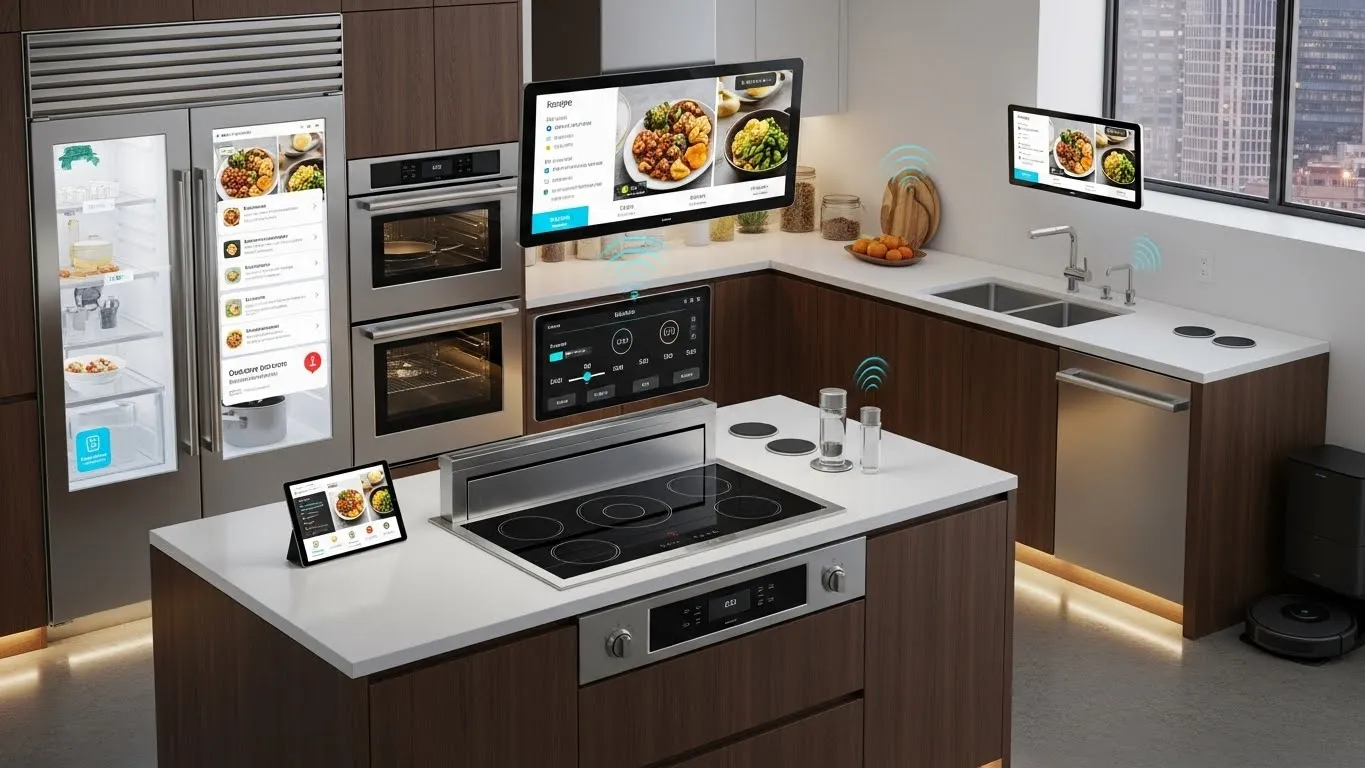
Voice Assistant Integration: Control Your Smart Home Effortlessly
The modern home is evolving, and at its heart is the seamless voice assistant integration that transforms daily routines into effortless experiences. Imagine controlling your lights, adjusting the thermostat, or even locking your doors with a simple spoken command. This level of convenience is no longer a futuristic dream but a present-day reality, making smart home management more intuitive and accessible than ever before. Integrating voice assistants like Amazon Alexa, Google Assistant, or Apple Siri into your smart home ecosystem offers unparalleled control, enhancing both comfort and security. This article delves into how voice control elevates your smart home experience, focusing on practical applications and the underlying benefits.
Key Points:
- Effortless Control: Manage devices with simple voice commands.
- Enhanced Security: Integrate voice with smart locks and cameras.
- Personalized Routines: Automate daily tasks for convenience.
- Future-Proofing: Stay updated with evolving smart home standards.
- Accessibility: Provides intuitive control for all users.
The Power of Voice Assistant Integration in Modern Homes
Voice assistant integration is revolutionizing how we interact with our living spaces. Gone are the days of fumbling with multiple apps or switches; now, a simple phrase can orchestrate a symphony of smart devices. This not only adds a layer of convenience but also significantly improves the user experience, making smart home technology approachable for everyone. From setting the mood with ambient lighting to ensuring your home is secure, voice control acts as the central nervous system of your connected living environment.
Understanding Smart Home Control with Voice Assistants
At its core, smart home control via voice assistants involves a hub (like an Echo Dot or Google Nest Hub) communicating with various smart devices across your home network. These devices, ranging from smart bulbs and thermostats to security cameras and door locks, are designed to respond to commands relayed through your voice assistant. The beauty lies in the interoperability – the ability of different brands and types of devices to work together under one unified voice command system. This creates a truly integrated and responsive home.
For instance, you could say, "Alexa, good morning," and your smart blinds might open, the coffee maker starts, and the news begins playing, all without lifting a finger. This level of automation is not just about convenience; it's about creating a living space that anticipates your needs and responds dynamically.
Setting Up Your Voice-Controlled Smart Home Ecosystem
Embarking on your journey to an effortless home automation system begins with a few key steps. First, choose your preferred voice assistant platform – Amazon Alexa, Google Assistant, or Apple HomeKit (Siri). Each offers a robust ecosystem with a wide range of compatible devices. Next, select smart devices that are certified to work with your chosen assistant. Look for labels like "Works with Alexa" or "Made for Google."
The setup process typically involves:
- Device Installation: Physically installing your smart lights, plugs, or sensors.
- App Configuration: Connecting each device to its respective manufacturer's app.
- Voice Assistant Integration: Linking these manufacturer apps to your voice assistant app (e.g., Alexa app, Google Home app).
- Room Assignment: Organizing devices into rooms for logical control (e.g., "turn off living room lights").
- Routine Creation: Crafting custom routines or scenes that trigger multiple actions with a single command.
A recent study by Statista (published 2024) indicated that over 60% of smart home users prioritize ease of setup and integration when purchasing new devices, highlighting the importance of a streamlined onboarding process.
Enhancing Home Security with Voice Commands
One of the most compelling aspects of voice assistant integration is its potential to bolster home security automation. Imagine being able to lock all your doors, arm your alarm system, or check your security cameras simply by speaking. This hands-free control is invaluable, especially when your hands are full or you're rushing out the door.
Consider these security applications:
- Smart Locks: "Hey Google, lock the front door." This command can secure your home instantly, providing peace of mind.
- Security Cameras: "Alexa, show me the front yard camera." Instantly view live feeds on a smart display, allowing for quick visual checks.
- Alarm Systems: Certain smart alarm systems can be armed or disarmed with voice commands, often requiring a PIN for added security.
- Motion Sensors and Lighting: Integrate motion sensors with smart lights and voice routines. If motion is detected late at night, lights can automatically turn on, and your voice assistant can announce the event, deterring potential intruders.
According to a report by Parks Associates (2023), smart home security devices are among the fastest-growing segments, with voice control being a key driver for adoption due to its convenience in managing security protocols. For more information on securing your home, readers can explore related articles on advanced home surveillance systems.
Advanced Features and Differentiated Value
Beyond basic commands, modern voice assistant integration offers sophisticated features that truly differentiate the smart home experience.
- Contextual Awareness and AI Evolution: The latest generation of voice assistants is becoming increasingly context-aware. They can understand follow-up questions without needing the wake word again, and some can even differentiate between household members' voices to personalize responses. This evolution in AI means your smart home is not just reacting to commands but understanding your intent, leading to a more natural and intuitive interaction. This goes beyond simple command-and-response, moving towards a truly intelligent assistant that learns your habits and preferences over time.
- Matter Standard and Universal Compatibility: The emergence of the Matter standard (launched in late 2022, gaining traction in 2023-2025) is a game-changer for smart home integration. Matter aims to provide a universal language for smart devices, allowing products from different manufacturers to communicate seamlessly, regardless of the voice assistant platform. This means less worry about compatibility issues and a broader choice of devices, making voice assistant integration truly future-proof and accessible to a wider audience. This significantly simplifies the setup process and reduces fragmentation, a common pain point for early adopters.
Optimizing Your Connected Living Experience
To truly unlock the potential of connected living through voice control, consider these optimization tips:
- Robust Wi-Fi: A strong, stable Wi-Fi network is the backbone of any smart home. Ensure good coverage throughout your home.
- Device Naming: Use simple, memorable names for your devices and rooms (e.g., "bedroom lamp" instead of "Philips Hue Bulb 1").
- Routine Planning: Think about your daily habits and create routines that automate common sequences of actions.
- Privacy Settings: Regularly review the privacy settings of your voice assistant and smart devices. Understand what data is collected and how it's used.
Frequently Asked Questions (FAQ)
Q1: What are the main benefits of integrating voice assistants with my smart home?
A1: The primary benefits include unparalleled convenience, hands-free control of devices, enhanced accessibility for all family members, and improved home security management. Voice commands simplify complex tasks, allowing you to manage multiple devices simultaneously with a single phrase, transforming your daily routines into effortless experiences. This integration makes smart home technology more intuitive and user-friendly.
Q2: Is voice assistant integration secure, especially for home security devices?
A2: Yes, reputable voice assistant platforms and smart home device manufacturers prioritize security. Many systems offer features like voice recognition to differentiate users, PIN protection for critical security commands (e.g., disarming an alarm), and end-to-end encryption for data transmission. Always ensure your devices and voice assistant apps are updated to the latest firmware for optimal security.
Q3: Can I integrate different brands of smart home devices with a single voice assistant?
A3: Absolutely. Most major voice assistants (Alexa, Google Assistant, Siri) are designed to be compatible with a vast array of smart devices from different manufacturers. Look for "Works with Alexa," "Made for Google," or HomeKit compatibility labels. The emerging Matter standard is further simplifying this, promising even greater interoperability across brands and ecosystems, making voice assistant integration more seamless than ever.
Q4: What if my internet goes down? Will my voice assistant still control my smart home?
A4: The functionality of your voice assistant and smart home devices largely depends on internet connectivity. While some basic functions (like local control of lights via a hub) might still work, most voice commands and cloud-based automations require an active internet connection. It's advisable to have a reliable internet service and consider devices with local control options for critical functions.
Conclusion: Embrace Effortless Smart Home Control
Voice assistant integration is more than just a technological gimmick; it's a fundamental shift in how we interact with our homes. By offering intuitive, hands-free control, it simplifies daily tasks, enhances security, and creates a truly connected living experience. As technology continues to evolve, with advancements like contextual AI and the Matter standard, the potential for effortless home automation will only grow.
We encourage you to explore the possibilities of integrating voice control into your own smart home. Start with a few key devices and gradually expand your system to discover the full extent of convenience and peace of mind it can offer. Share your experiences in the comments below – what are your favorite voice commands or smart home routines? For those looking to dive deeper, consider exploring articles on advanced smart home networking or the future of AI in residential automation.