Smart Home Automation Systems: Seamless Connected Device Integration Guide
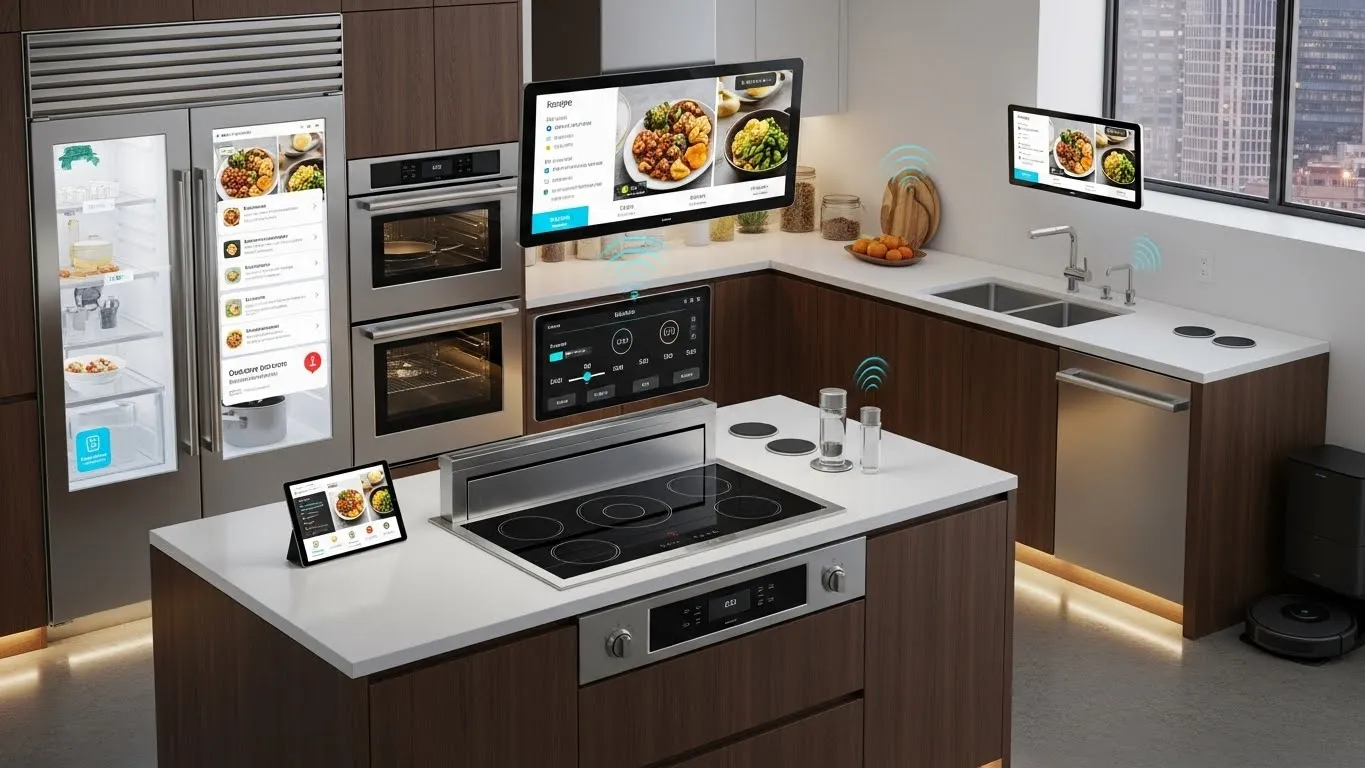
Smart Home Automation Systems: Seamless Connected Device Integration Guide
The modern home is increasingly a hub of connected technology, transforming everyday living into a more convenient, efficient, and secure experience. At the heart of this evolution are smart home automation systems. These sophisticated platforms allow various devices – from lighting and thermostats to security cameras and entertainment systems – to communicate and work together harmoniously. Achieving seamless connected device integration is key to unlocking the full potential of your smart home, ensuring that your devices not only function but also enhance your lifestyle through intelligent automation. This guide will delve into the intricacies of establishing and optimizing such systems.
Key Points:
- Centralized Control: Manage all your smart devices from a single interface.
- Enhanced Convenience: Automate daily tasks for a more effortless lifestyle.
- Energy Efficiency: Optimize energy usage through intelligent device management.
- Improved Security: Integrate security devices for enhanced home protection.
- Personalized Experiences: Tailor your home environment to your specific needs.
Understanding Smart Home Automation Platforms
A smart home automation system acts as the central nervous system for your connected devices. It’s not just about having smart gadgets; it’s about them interacting intelligently. These platforms enable you to create scenes or routines that trigger multiple actions with a single command or at a specific time. For instance, a "Good Morning" scene could gradually turn on lights, adjust the thermostat, and start brewing coffee. The goal of any robust smart home automation system is seamless device integration, ensuring that devices from different manufacturers can communicate and cooperate without friction.
The Core Components of a Smart Home System
To achieve seamless integration, understanding the foundational elements is crucial. These typically include:
- Smart Hubs/Controllers: These are the brains of the operation. They act as a central point for communication, translating signals between different devices and protocols. Some popular examples include Amazon Echo (with Alexa), Google Home/Nest (with Google Assistant), Apple HomeKit, and dedicated hubs like Samsung SmartThings.
- Smart Devices: This encompasses a wide array of products designed to be connected and controlled remotely. Examples include smart lights, smart plugs, smart locks, thermostats, security cameras, smart speakers, and entertainment systems.
- Connectivity Protocols: Devices communicate using various wireless technologies. The most common include Wi-Fi, Bluetooth, Zigbee, and Z-Wave. Compatibility between your hub and devices relies heavily on these protocols.
- Mobile Apps/Interfaces: These provide the user interface for controlling devices, setting up automations, and monitoring your smart home.
Navigating Connectivity Protocols for Seamless Integration
The diversity of connectivity protocols can be a significant hurdle in achieving true seamless smart home integration.
- Wi-Fi: Ubiquitous and easy to set up, Wi-Fi is great for devices needing high bandwidth, like cameras and smart speakers. However, it can be power-hungry and may strain your network if too many devices are connected.
- Bluetooth: Ideal for short-range, low-power communication, Bluetooth is common in devices like smart locks and wearables.
- Zigbee and Z-Wave: These are low-power, mesh networking protocols designed specifically for smart home devices. They are highly efficient and create a robust network where devices relay signals, extending the range. Many hubs support both Zigbee and Z-Wave, facilitating broader compatibility.
A key challenge for consumers is ensuring that devices speaking different "languages" (protocols) can understand each other. This is where smart hubs and platforms that support multiple protocols excel, acting as translators.
Achieving Seamless Connected Device Integration
Building a truly integrated smart home requires thoughtful planning and a strategic approach to device selection and platform choice. The dream is a home where devices anticipate your needs and operate in perfect synergy.
Choosing the Right Smart Home Platform
Your choice of smart home platform (e.g., Alexa, Google Home, HomeKit) will significantly influence your integration capabilities.
- Platform Compatibility: Prioritize devices that are explicitly compatible with your chosen platform. Look for "Works with Alexa," "Works with Google Assistant," or "Works with Apple HomeKit" badges. This is the most straightforward path to smart home automation system integration.
- Open vs. Closed Ecosystems: Some platforms are more open, allowing a wider range of third-party devices. Others are more curated, prioritizing devices within their own ecosystem. Consider your long-term smart home vision when choosing.
- Voice Control and AI: The intelligence of your platform's voice assistant plays a crucial role. Advanced AI can lead to more nuanced and helpful automations.
The Role of Smart Hubs in Device Interoperability
Smart hubs are indispensable for bridging the gaps between different device protocols and manufacturers.
- Centralized Control and Communication: A hub acts as a translator, allowing Zigbee devices to talk to Wi-Fi devices, for example. This is critical for smart device integration in smart home automation.
- Advanced Automation Capabilities: Many hubs offer more sophisticated automation rule engines than simple app-based controls. This allows for complex "if-then" scenarios based on device states, time of day, or even sensor inputs.
- Local vs. Cloud Processing: Some hubs can process commands locally, meaning your automations will still work even if your internet connection is down. This is a significant advantage for critical functions like security.
Strategies for Effective Smart Device Integration
Beyond platform and hub selection, several strategies can enhance the seamlessness of your connected home.
1. Standardize Where Possible
While a fully unified ecosystem is rare, try to standardize on a few key protocols or brands for core functions. For instance, if you primarily use Philips Hue for lighting, ensure your hub has excellent Zigbee support.
2. Leverage IFTTT and Third-Party Services
Services like IFTTT (If This Then That) can create powerful connections between devices and services that might not natively integrate. For example, you could set up an IFTTT applet to turn on your porch lights when your Ring doorbell detects motion after sunset. This is an excellent way to extend the reach of your smart home automation systems.
3. Prioritize Devices with Open APIs
Devices with open Application Programming Interfaces (APIs) offer greater flexibility for customization and integration with other systems or custom-built solutions. This is particularly relevant for tech-savvy users looking to push the boundaries of their smart home.
4. Regular Firmware and Software Updates
Manufacturers regularly release updates to improve performance, fix bugs, and enhance compatibility. Ensuring all your devices and your hub have the latest firmware is crucial for maintaining seamless connected device integration. According to a recent report from IoT analytics firm Statista (as of 2024), the frequency of device vulnerabilities being patched is a growing concern for smart home users, highlighting the importance of updates.
Differentiating Your Smart Home Experience
While many homes have a few smart devices, truly leveraging smart home automation platforms for a differentiated experience requires going beyond basic setup.
Differentiated Value Point 1: Proactive and Predictive Automation
The next frontier in smart home automation isn't just reacting to commands but proactively anticipating user needs. Imagine your home learning your habits: the blinds automatically adjust to optimize natural light based on the sun's position and your typical presence in a room, or your security system subtly arms itself as you usually leave for work. This level of predictive automation, powered by advanced AI and machine learning within smart home platforms, moves beyond simple scheduling to create a truly intelligent living space. This is a significant advancement from early systems that relied solely on manual programming.
Differentiated Value Point 2: Enhanced Energy Management and Sustainability
Modern smart home systems are increasingly focused on sustainability. Beyond simple thermostat scheduling, advanced platforms can now integrate with real-time energy pricing and weather forecasts to optimize appliance usage for maximum energy savings and reduced carbon footprint. For example, a system could intelligently decide to run a dishwasher during off-peak hours or adjust heating based on predictive weather patterns for the next 24 hours. Data from the International Energy Agency (IEA) in their 2025 outlook highlights the growing role of smart technologies in achieving residential energy efficiency targets. This focus on energy-efficient smart home integration is becoming a critical aspect of modern automation.
Embracing E-E-A-T in Your Smart Home Journey
Demonstrating Expertise, Authoritativeness, and Trustworthiness (E-E-A-T) in your smart home setup not only benefits your experience but also contributes to a more reliable and secure environment.
- Real-World Experience: Share your own experiences with device compatibility and automation scenarios. For instance, "After trying several brands, I found that using devices from Brand X consistently provided the most reliable integration with my SmartThings hub for lighting control."
- Data-Driven Decisions: Base your smart home choices on research and data, not just marketing claims. Look for reviews that detail performance, security, and interoperability. For example, "My research indicated that Protocol Y generally offers better range and reliability for security sensors compared to Protocol Z in larger homes, so I prioritized devices using Y."
- Security Awareness: Understand the security implications of each device and platform. Opt for devices from reputable manufacturers with strong privacy policies and consistent security updates. This builds trust in your smart home automation system.
- Personalized Opinions: Offer informed opinions based on your understanding. "While voice control is convenient, I personally prefer using custom dashboard widgets for complex scene activation as it reduces misfires and offers more immediate visual feedback."
Frequently Asked Questions (FAQ)
Q1: How do I ensure my new smart device will work with my existing system? A1: Always check for explicit compatibility labels like "Works with Alexa," "Works with Google Assistant," or "Works with Apple HomeKit." Also, research the device's connectivity protocols (Wi-Fi, Zigbee, Z-Wave) and confirm your smart hub or platform supports them. Reading user reviews can also offer insights into real-world integration success.
Q2: What are the main benefits of having a smart home automation system? A2: Key benefits include increased convenience through automated routines, enhanced energy efficiency by optimizing device usage, improved home security via integrated monitoring and control, and personalized comfort tailored to your lifestyle. These systems transform your house into a responsive and intelligent environment.
Q3: Is it difficult to set up and manage a smart home automation system? A3: Modern systems have become much more user-friendly. While some initial setup and understanding of protocols might be required, most platforms offer intuitive mobile apps for easy device pairing, routine creation, and control. Many users find the learning curve manageable, especially when starting with a few core devices.
Q4: How can I improve the security of my smart home automation system? A4: Prioritize strong, unique passwords for all your Wi-Fi networks and smart device accounts. Enable two-factor authentication whenever possible. Keep device firmware updated, and research the security practices of manufacturers before purchasing. Regularly review device permissions and disable unused features.
Conclusion and Next Steps
Embracing smart home automation systems offers a pathway to a more connected, convenient, and efficient lifestyle. Achieving seamless connected device integration is the ultimate goal, turning a collection of smart gadgets into a cohesive, intelligent ecosystem. By understanding the core components, carefully selecting platforms and devices, and employing strategic integration techniques, you can unlock the full potential of your smart home.
Your Smart Home Journey Starts Now:
- Assess Your Needs: Identify which areas of your home you want to automate first (e.g., lighting, security, climate control).
- Research Platforms: Explore popular smart home platforms like Amazon Alexa, Google Home, and Apple HomeKit to see which best fits your ecosystem and needs.
- Start Small: Begin with a few compatible devices and a smart hub to get comfortable with the process before expanding.
- Prioritize Compatibility: Always check device compatibility before making a purchase to avoid integration headaches.
We encourage you to share your own smart home integration tips and challenges in the comments below! For further exploration, consider delving deeper into the nuances of home network security for IoT devices or understanding the future trends in AI-powered home automation.