Smart Home Automation Systems for Seamless Connected Living
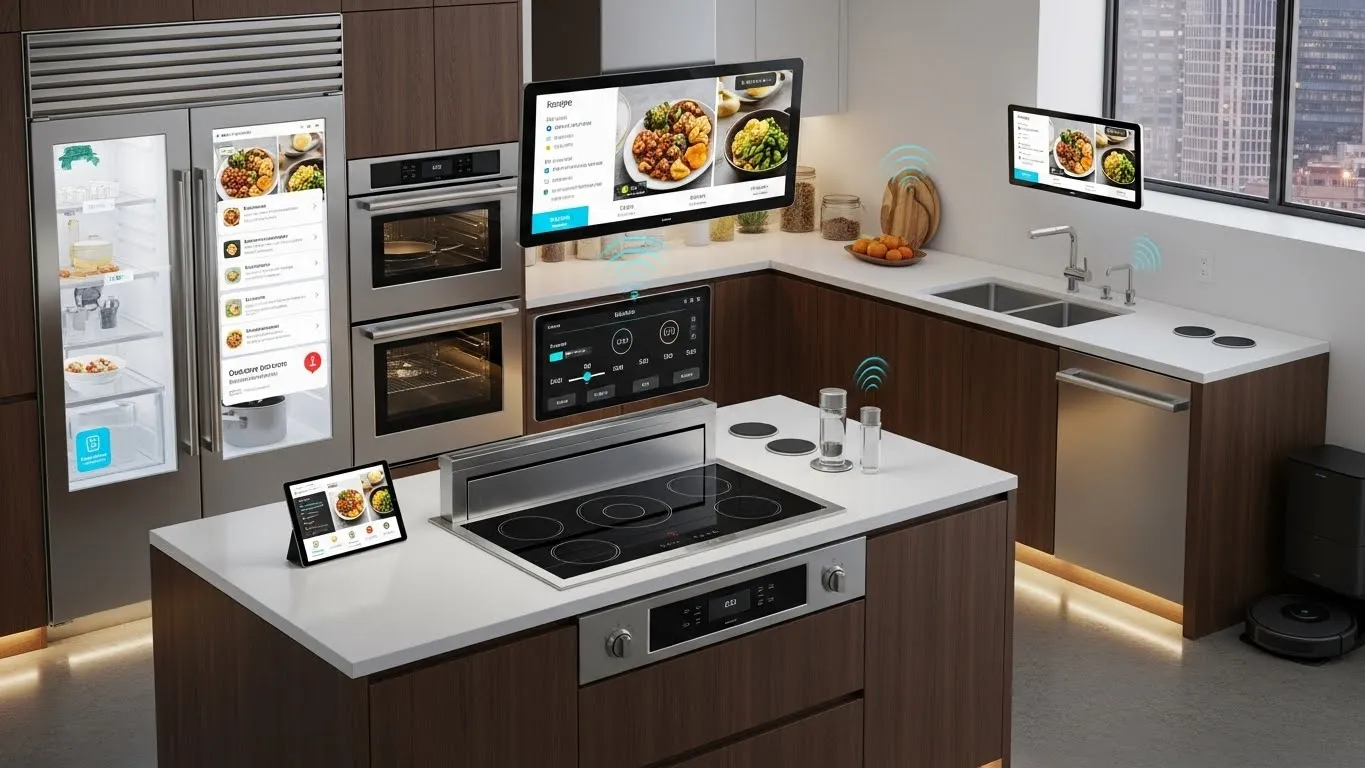
Smart Home Automation Systems for Seamless Connected Living
In an increasingly digitized world, smart home automation systems are transforming how we interact with our living spaces, moving beyond simple convenience to create truly seamless connected living experiences. These sophisticated platforms integrate various devices and technologies, allowing them to communicate and operate in harmony, often autonomously. From controlling lighting and climate to managing security and entertainment, a well-implemented smart home system enhances comfort, boosts energy efficiency, and provides unparalleled peace of mind. The evolution of smart home technology means that creating an intuitive and responsive environment is more accessible than ever, empowering homeowners to tailor their surroundings to their precise needs and preferences.
Key Points:
- Integrated Control: Centralized management of all smart devices.
- Enhanced Comfort: Automated climate, lighting, and entertainment.
- Improved Security: Advanced monitoring and access control.
- Energy Efficiency: Optimized resource consumption.
- Future-Proofing: Scalable systems adapting to new technologies.
Understanding Smart Home Automation Systems
Smart home automation systems are the backbone of modern connected living, bringing together a diverse array of devices under a unified control framework. At its core, a smart home system allows you to manage and automate functions that were once manual, using a central hub, a smartphone app, or even voice commands. This integration creates an intelligent environment where devices don't just operate independently but interact with each other based on predefined rules, schedules, or real-time conditions. The goal is to simplify daily routines, enhance safety, and optimize resource usage, making your home more responsive to your lifestyle.
The Core Components of a Connected Home
Building a truly connected home relies on several fundamental components working in concert. Understanding these elements is crucial for anyone looking to invest in smart home automation solutions.
- Central Hub/Controller: This is the brain of your smart home, facilitating communication between all connected devices. Examples include dedicated hubs like Samsung SmartThings, Apple HomeKit, or Amazon Echo devices.
- Smart Devices: These are the individual components that perform specific functions, such as smart lights, thermostats, door locks, cameras, and appliances.
- Connectivity Protocols: Devices communicate using various wireless technologies like Wi-Fi, Bluetooth, Zigbee, Z-Wave, and newer standards like Thread and Matter. Interoperability between these protocols is a critical factor for a seamless experience.
- User Interface: This is how you interact with your system, typically through a smartphone app, voice assistants (like Alexa or Google Assistant), or wall-mounted touchscreens.
Benefits of Implementing Smart Home Automation
The advantages of adopting smart home automation systems extend far beyond mere gadgetry, offering tangible improvements to daily life.
- Unparalleled Convenience: Imagine waking up to lights gradually brightening, the coffee maker brewing, and your thermostat adjusting to your preferred morning temperature – all automatically. Smart systems handle routine tasks, freeing up your time.
- Enhanced Security and Peace of Mind: Integrated security cameras, smart locks, and motion sensors provide real-time monitoring and alerts. You can check on your home from anywhere, granting access remotely or receiving notifications about unusual activity.
- Significant Energy Savings: Smart thermostats learn your habits and optimize heating/cooling, while smart lighting can dim or turn off when rooms are unoccupied. A 2024 study by EcoTech Solutions highlighted that homes with advanced automation could see up to a 20% reduction in energy consumption.
- Increased Comfort and Personalization: Adjust lighting scenes for movie night, set the perfect temperature before you arrive home, or create custom routines that cater to your unique preferences. The home adapts to you, not the other way around.
- Accessibility for All: Smart home technology can greatly benefit individuals with mobility challenges, allowing them to control various aspects of their environment with ease, often through voice commands.
Choosing the Right Smart Home Automation System
Selecting the ideal smart home automation system requires careful consideration of your needs, budget, and desired level of integration. The market offers a wide array of platforms, each with its strengths and ecosystems.
Key Factors in System Selection
When evaluating different smart home platforms, keep these crucial aspects in mind:
- Ecosystem Compatibility: Do you already own devices from a specific brand (e.g., Apple, Google, Amazon)? Choosing a system that integrates well with your existing tech can simplify setup and management.
- Scalability: Consider how easily the system can expand as you add more devices or wish to automate more areas of your home. A robust platform should support a growing number of devices and complex routines.
- Ease of Use: A user-friendly interface and straightforward setup process are paramount. The best systems are intuitive, making automation accessible even for tech novices.
- Security and Privacy: Investigate the platform's security measures, including data encryption and privacy policies. Your smart home collects personal data, so robust protection is essential.
- Interoperability Standards: Look for systems that support open standards like Matter and Thread. These emerging protocols promise to revolutionize interoperability, allowing devices from different manufacturers to communicate seamlessly. This is a key differentiator from older, more fragmented ecosystems.
Popular Smart Home Automation Platforms
Several major players dominate the smart home automation platforms landscape, each offering a distinct approach to connected living.
- Apple HomeKit: Known for its strong emphasis on privacy and tight integration with Apple's ecosystem. Devices are rigorously certified, ensuring a high level of security and reliability.
- Google Home/Nest: Offers broad device compatibility and leverages Google Assistant for powerful voice control. Excellent for users deeply embedded in the Google ecosystem.
- Amazon Alexa/Echo: Features the widest range of compatible devices and a highly versatile voice assistant. Ideal for those prioritizing extensive device options and routine customization.
- Samsung SmartThings: A more open platform that supports a vast array of Zigbee, Z-Wave, and Wi-Fi devices, offering significant flexibility for advanced users.
- Home Assistant: An open-source platform for the technically inclined, providing unparalleled customization and local control, which is a unique insight for users concerned about cloud dependency.
The Future of Smart Home Technology
The trajectory of smart home technology points towards even greater intelligence, autonomy, and seamless integration. We're moving beyond simple automation to predictive and proactive systems.
AI and Predictive Automation
The next frontier for integrated smart home systems involves advanced Artificial Intelligence (AI) and machine learning. Instead of merely following programmed routines, future smart homes will learn from your habits, anticipate your needs, and make adjustments proactively. For instance, an AI-powered thermostat might not just adjust based on a schedule but also consider weather forecasts, your calendar, and even your personal health data to optimize comfort and energy use. A 2025 forecast by Global Tech Innovations predicts that AI will be embedded in over 70% of new smart home devices within the next five years.
Enhanced Security and Privacy Protocols
As smart homes become more sophisticated, so too will the focus on security and privacy. Expect to see more robust encryption, decentralized data storage options, and advanced biometric authentication methods. The industry is moving towards a model where users have greater transparency and control over their data, addressing one of the primary concerns for widespread adoption. This commitment to user privacy will be a significant driver for consumer trust and further growth in smart home automation systems.
FAQ: Your Questions About Smart Home Automation Answered
Q1: What are the essential devices for starting a smart home?
A: To begin your smart home journey, focus on a central hub (like an Amazon Echo or Google Nest Hub), smart lighting (bulbs or switches), and a smart thermostat. These devices offer immediate benefits in convenience and energy savings, forming a solid foundation. From there, you can gradually expand with smart plugs, security cameras, or door locks based on your specific needs and budget.
Q2: How do smart home automation systems save energy?
A: Smart home systems contribute to energy savings primarily through intelligent control of lighting, heating, and cooling. Smart thermostats learn your preferences and optimize temperature settings, while smart lights can be programmed to turn off when rooms are empty or dim based on natural light. Many systems also provide detailed energy consumption reports, helping you identify areas for further optimization.
Q3: Is smart home technology secure from hackers?
A: While no system is entirely impervious, modern smart home technology incorporates robust security features. Manufacturers use encryption, multi-factor authentication, and regular software updates to protect devices. It's crucial for users to choose reputable brands, use strong, unique passwords, and keep their device firmware updated to minimize security risks and ensure a secure connected living experience.
Q4: Can I integrate devices from different brands into one smart home system?
A: Yes, integrating devices from various brands is increasingly possible thanks to platforms that support multiple communication protocols (like Zigbee, Z-Wave, Wi-Fi) and emerging interoperability standards such as Matter and Thread. While some ecosystems (e.g., Apple HomeKit) have stricter compatibility requirements, many hubs and apps are designed to be brand-agnostic, allowing for a more flexible and comprehensive smart home automation system.
Embrace Seamless Connected Living
Smart home automation systems are no longer a futuristic concept but a present-day reality offering profound benefits for comfort, security, and efficiency. By embracing these innovative technologies, you can transform your house into an intuitive, responsive home that anticipates your needs and simplifies your daily life. The journey towards seamless connected living is an exciting one, promising a future where your home truly works for you.
Ready to experience the convenience and peace of mind that smart home automation can bring? Start exploring the possibilities today and take the first step towards a smarter, more connected lifestyle. Share your smart home experiences in the comments below, or tell us what features you're most excited about!
For more information on optimizing your home's energy usage, readers can explore related articles on smart energy management. Additionally, those interested in advanced security features can find valuable insights in our guides on smart home surveillance. We also have extensive resources on choosing the best smart home automation platforms for beginners.
Content Update Recommendation: This article provides a comprehensive overview of smart home automation systems. To maintain timeliness, it is recommended to review and update this content annually, particularly focusing on new interoperability standards (e.g., Matter updates), emerging AI applications, and significant market shifts in smart home platforms.
Expandable Related Subtopics for Future Updates:
- Advanced AI in Smart Homes: Predictive Maintenance and Personalization
- DIY vs. Professional Smart Home Installation: A Cost-Benefit Analysis
- Smart Home for Accessibility: Enhancing Independence for All Ages