Seamless Device Integration: Mastering Your Home Automation Platform for Smart Living
Seamless Device Integration: Mastering Your Home Automation Platform for Smart Living
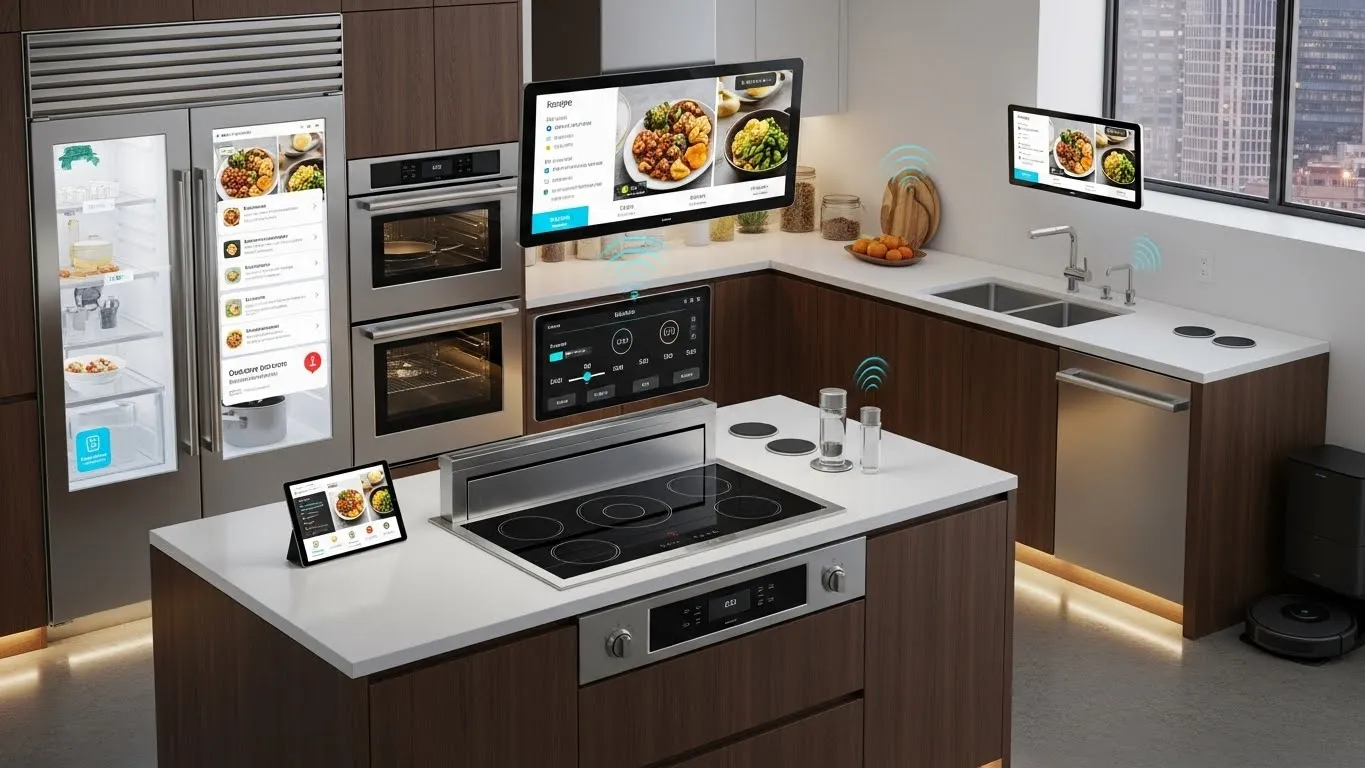
Welcome to the future of home comfort and efficiency! In an increasingly connected world, achieving seamless device integration within your smart home is paramount for truly smart living. Gone are the days of juggling multiple apps for individual gadgets. A well-orchestrated home automation platform transforms your house into an intuitive, responsive environment, where devices communicate effortlessly to enhance your daily life. This guide will walk you through the essentials of mastering your smart home ecosystem, ensuring every component, from intelligent lighting systems to security cameras, works in perfect harmony.
Key Points:
- Unified Control: Consolidate all smart devices under a single, intuitive platform.
- Enhanced Interoperability: Understand communication protocols for reliable device interaction.
- Customized Automation: Create routines and scenes that adapt to your lifestyle.
- Future-Proof Your Home: Select platforms and devices with an eye towards emerging standards like Matter.
- Optimized Performance: Implement best practices for network stability and security.
Understanding Your Home Automation Platform for Cohesive Smart Living
The foundation of seamless device integration lies in understanding your chosen home automation platform. This central hub, whether it's a dedicated hardware device, a software application, or a cloud service, acts as the brain of your smart home. It's responsible for managing all connected devices, translating commands, and enabling communication between different brands and technologies. Without a robust and compatible platform, your smart devices risk becoming isolated gadgets rather than a unified smart home ecosystem.
Choosing the right platform often depends on your existing devices, technical comfort, and desired level of customization. Popular choices include ecosystems from Apple HomeKit, Google Home, Amazon Alexa, Samsung SmartThings, and dedicated open-source solutions like Home Assistant. Each offers distinct advantages in terms of device support, user interface, and integration capabilities. The goal is to select a platform that offers broad compatibility and the flexibility to grow with your needs.
Navigating Device Compatibility and Communication Protocols
One of the biggest hurdles to seamless device integration is ensuring compatibility across various brands and understanding the underlying communication protocols. Smart devices don't all speak the same language. They rely on different wireless technologies to connect and communicate, which can sometimes lead to frustrating compatibility issues.
Common communication protocols include:
- Wi-Fi: Widely adopted, directly connects devices to your home network. It offers high bandwidth but can consume more power and clutter your Wi-Fi channels if too many devices are present.
- Zigbee: A low-power, mesh networking standard ideal for smart lighting and sensors. It creates a robust network where devices can relay signals to extend range, consuming minimal power.
- Z-Wave: Another mesh networking protocol similar to Zigbee, primarily used for home automation devices. It operates on a different frequency, reducing interference with Wi-Fi, and offers excellent security features.
- Bluetooth: Best for short-range, direct connections between devices, often used for setting up new devices or connecting personal gadgets.
- Matter: The latest open-source connectivity standard, launched in late 2022, is designed to unify the smart home landscape. Backed by major industry players, Matter aims to enable devices from different manufacturers to communicate effortlessly, promising a truly interoperable smart home. This represents a significant leap forward in differentiating content, as Matter is still relatively new and its full impact is unfolding.
When adding new devices, always check for compatibility with your existing home automation platform and preferred communication protocols. Many platforms now support multiple protocols, either directly or through compatible hubs, simplifying the integration process.
Best Practices for Optimal Smart Device Connectivity
Achieving truly seamless device integration requires more than just compatible hardware; it demands thoughtful planning and network optimization. A stable and efficient network is the backbone of your entire smart home. Neglecting network health can lead to frustrating delays, dropped connections, and unreliable automations.
Here are some best practices:
- Robust Wi-Fi Network: Invest in a reliable router that can handle numerous connected devices. Consider a mesh Wi-Fi system for larger homes to eliminate dead spots and ensure consistent coverage.
- Strategic Hub Placement: If using a Zigbee or Z-Wave hub, place it centrally within your home to maximize its range and create a strong mesh network. Avoid placing it near large metal objects or other electronics that could cause interference.
- Regular Firmware Updates: Always keep your smart devices and platform software updated. Manufacturers frequently release updates that improve performance, add features, and patch security vulnerabilities.
- Network Segmentation: For advanced users, consider creating a separate Wi-Fi network (VLAN) specifically for your IoT devices. This can enhance security and prevent smart devices from consuming bandwidth needed by other critical devices.
- Power Cycling Devices: When troubleshooting, a simple power cycle (turning a device off and on again) can often resolve minor connectivity glitches.
Crafting Intelligent Automations and Scenes for Smart Living
The true power of a unified home automation platform comes alive through customized automations and scenes. This is where your devices stop being individual gadgets and start working together intelligently to anticipate your needs and simplify your routine. Imagine your lights dimming, blinds closing, and thermostat adjusting as you settle down for a movie – all triggered with a single command or schedule.
- Time-Based Automations: Set your smart lighting to gradually brighten with the sunrise or your coffee maker to start brewing at 7 AM on weekdays.
- Event-Triggered Routines: Link a motion sensor in your hallway to turn on a specific light only when it's dark. Connect your smart lock to your thermostat so that when you unlock your front door, the HVAC system adjusts to your preferred "home" temperature.
- Scene Creation: A "Good Morning" scene could simultaneously open smart blinds, turn on kitchen lights, and start your favorite news podcast. A "Movie Night" scene might dim the lights, close the smart curtains, and activate the soundbar.
- Voice Control Integration: Integrate your platform with voice assistants like Alexa or Google Assistant for hands-free control of your entire smart home. According to a 2024 report by Parks Associates, voice control remains a primary interface for smart home users, with adoption rates steadily increasing across all age groups.
When designing automations, start simple and gradually add complexity. Test each routine thoroughly to ensure it functions as expected before relying on it completely.
Troubleshooting Common Integration Challenges
Even with careful planning, you might encounter issues when trying to achieve seamless device integration. Here are common problems and practical solutions:
- Device Not Found:
- Check power: Ensure the device is plugged in and powered on.
- Proximity: Move the device closer to your hub or router during the pairing process.
- Reset device: Follow the manufacturer's instructions to factory reset the device and try pairing again.
- Network band: Ensure the device is trying to connect to the correct Wi-Fi band (2.4GHz is most common for smart devices).
- Intermittent Connectivity:
- Wi-Fi signal strength: Use a Wi-Fi analyzer app to check signal strength around your devices.
- Interference: Move devices away from microwaves, cordless phones, or other electronics.
- Channel congestion: If using 2.4GHz Wi-Fi, try changing your router's Wi-Fi channel to a less crowded one (e.g., 1, 6, or 11).
- Automations Not Triggering:
- Review conditions: Double-check the conditions (time, sensor state, device status) set for your automation.
- Device status: Ensure all devices involved in the automation are online and responsive.
- Platform logs: Many platforms offer logs that can help identify why an automation failed.
For more in-depth troubleshooting specific to lighting, you might find valuable insights in our article on /articles/troubleshooting-common-smart-device-issues.
Future-Proofing Your Home Automation Investment
As technology evolves rapidly, future-proofing your home automation platform is a critical consideration. Investing in devices and platforms that can adapt to new standards and capabilities will save you money and headaches in the long run.
- Embrace Open Standards: Prioritize devices that support open standards like Matter, Thread, or even Wi-Fi and Bluetooth. These are more likely to remain compatible with future generations of smart home technology. A recent whitepaper by the Connectivity Standards Alliance (CSA) published in early 2025 highlights Matter's roadmap for expanding device categories and advanced features, reinforcing its long-term viability.
- Modular Systems: Opt for a modular approach where you can easily add or replace individual components without overhauling your entire system. This allows for incremental upgrades.
- Cloud-Independent Options: While cloud connectivity offers convenience, consider devices or platforms that can operate locally (e.g., Home Assistant). This offers greater privacy, reliability, and resilience against internet outages.
- Scalability: Choose a platform that can easily expand as you add more devices or introduce new functionalities, such as advanced security or energy management systems.
- Security: Regular security updates from manufacturers are crucial. Ensure your chosen platform and devices have a strong track record for protecting user data and preventing unauthorized access.
By making informed choices today, you can build a smart home that truly masters seamless device integration for years to come. For specific advice on optimizing your lighting systems, explore our /categories/intelligent-lighting-systems section.
FAQs About Seamless Device Integration
Q: What is the most important factor for seamless device integration?
A: The most important factor is a robust and compatible home automation platform. This central hub acts as the brain, allowing all your smart devices, regardless of brand, to communicate and work together. A platform with broad device support and multiple communication protocol compatibility ensures a smooth, interconnected experience, minimizing frustrating glitches and maximizing your smart home's potential.
Q: How can I ensure new devices will integrate with my existing smart home?
A: To ensure compatibility, always check if new devices explicitly support your existing home automation platform (e.g., Google Home, Alexa, HomeKit, SmartThings). Look for certifications or mentions of compatibility. Also, consider the communication protocol (Wi-Fi, Zigbee, Z-Wave, Matter) and ensure your hub or platform supports it. Prioritizing devices that adhere to open standards like Matter is a good strategy for future-proofing.
Q: What role does my home network play in device integration?
A: Your home network is absolutely critical. A strong, stable Wi-Fi network with good coverage is essential for reliable communication between your smart devices and their respective hubs or the internet. Poor network performance can lead to delays, dropped connections, and failed automations. Investing in a quality router, potentially a mesh system, and optimizing its placement will significantly improve the overall reliability of your seamless device integration.
Q: Is it better to stick with one brand for all my smart devices?
A: While sticking to one brand might simplify initial setup, it's not always necessary or ideal. Modern home automation platforms and emerging standards like Matter are designed to bridge the gap between different brands, allowing you to choose the best devices for each function. The key is to ensure all devices are compatible with your central home automation platform, offering you the flexibility to mix and match while still achieving seamless device integration.
Unlock the Full Potential of Your Smart Home
Mastering seamless device integration is the key to unlocking the true potential of your smart home. By understanding your platform, navigating compatibility, optimizing your network, and creating intelligent automations, you can transform your living space into an intuitive, responsive, and truly smart environment. The journey to a perfectly integrated home might seem complex, but with the right knowledge and a methodical approach, you'll soon be enjoying the unparalleled convenience and efficiency that smart living offers.
Ready to dive deeper into specific aspects of your smart home? Explore related articles like /articles/smart-lighting-strategies-for-energy-efficiency for tips on optimizing your lighting, or /articles/choosing-the-best-smart-home-hub to find the perfect brain for your connected home. Share your integration successes and challenges in the comments below – we love hearing how you're making your home smarter!