Modern Living with Smart Homes: Automation and IoT Explained
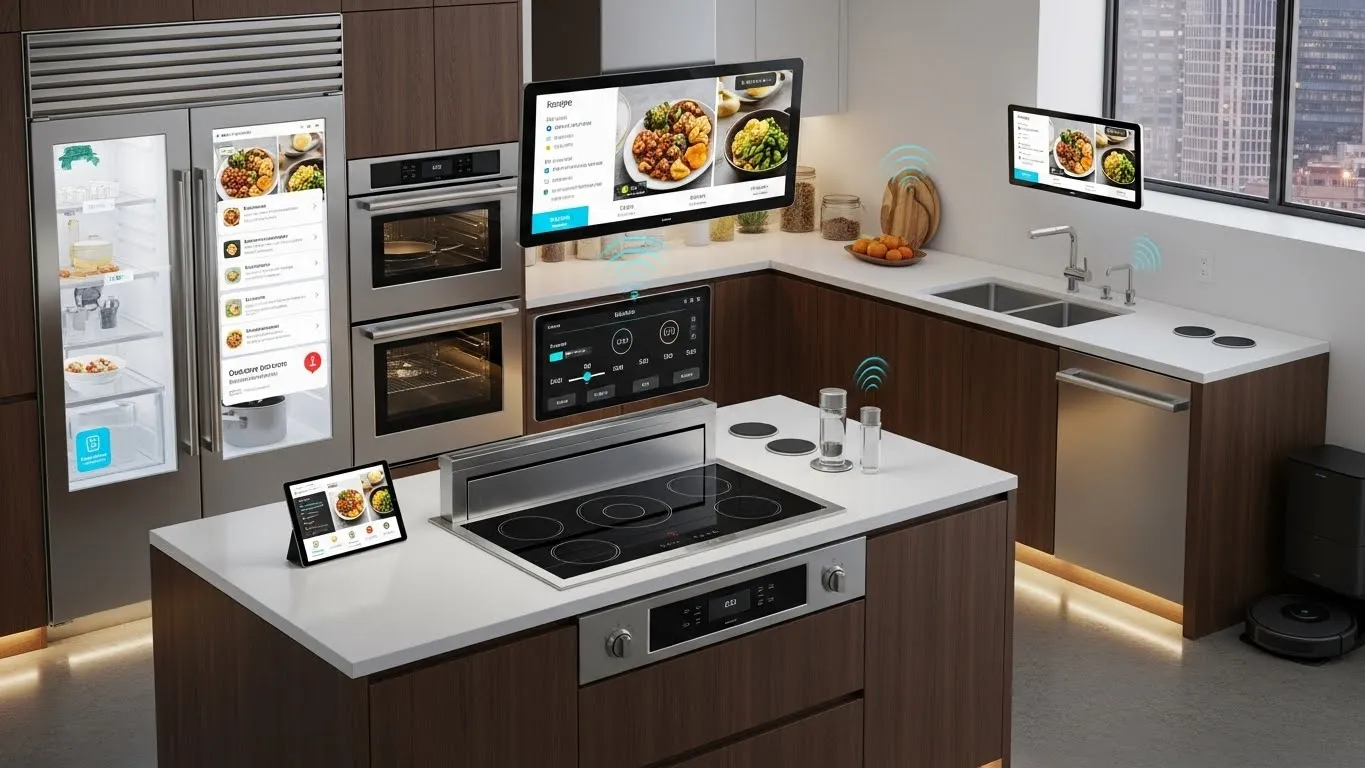
Modern Living with Smart Homes: Automation and IoT Explained
Welcome to the era of modern living with smart homes, where technology seamlessly integrates into our daily routines, transforming houses into intelligent, responsive environments. This comprehensive guide delves into the fascinating world of smart home automation and the Internet of Things (IoT), explaining how these innovations are redefining convenience, security, and energy efficiency. From controlling your lights with a voice command to optimizing your home's climate automatically, smart homes are no longer a futuristic concept but a present-day reality. Understanding the core principles of IoT and automation is key to unlocking the full potential of your connected living space.
Key Points:
- Seamless Integration: Smart homes merge devices for unified control.
- Enhanced Convenience: Automate tasks for effortless daily living.
- Improved Security: Monitor and protect your home remotely.
- Energy Efficiency: Optimize consumption and reduce utility bills.
- Future-Proof Living: Adaptable systems evolve with your needs.
Understanding Smart Homes: More Than Just Gadgets
A smart home is a residence equipped with devices that can be controlled remotely or automated to perform specific tasks. It's an ecosystem where various technologies communicate, creating a truly interconnected environment. The journey of smart homes began with simple remote controls and has evolved into sophisticated systems capable of learning and adapting to occupant behaviors. This evolution is largely driven by advancements in smart home automation and the underlying principles of the Internet of Things.
At its core, a smart home relies on a network of sensors, actuators, and central hubs that work in concert. These components enable everything from automated lighting schedules to advanced security monitoring. The goal is to simplify daily life, enhance comfort, and provide greater control over your living space. For a deeper dive into specific device types, readers can explore related articles on smart home devices.
The Power of Automation in Modern Living
Home automation refers to the ability to program and control devices and systems within your home automatically. This goes beyond simple remote control, allowing devices to trigger actions based on predefined conditions, schedules, or even environmental changes. Imagine your lights dimming as you start a movie, or your thermostat adjusting itself when you leave for work. This is the essence of automation.
Examples of smart home automation include:
- Lighting Control: Automatically turn lights on/off, adjust brightness, or change colors based on time of day or occupancy.
- Climate Management: Smart thermostats learn your preferences and optimize heating and cooling for comfort and energy savings.
- Security Systems: Automated locks, cameras, and motion sensors provide real-time alerts and remote monitoring.
- Entertainment Systems: Integrate audio and video devices for a seamless home theater experience.
The primary benefit of automation is the unparalleled convenience it offers. Tasks that once required manual intervention are now handled effortlessly, freeing up your time and mental energy. Furthermore, automation significantly contributes to energy efficiency by ensuring systems only operate when needed.
IoT Explained: The Backbone of Connected Homes
The Internet of Things, or IoT, is the foundational technology that makes smart homes possible. IoT refers to the network of physical objects—"things"—that are embedded with sensors, software, and other technologies for the purpose of connecting and exchanging data with other devices and systems over the internet. In a smart home context, these "things" are your smart devices: light bulbs, thermostats, door locks, refrigerators, and more.
How does IoT work in your home?
- Sensors: Collect data from the environment (e.g., temperature, motion, light levels).
- Connectivity: Devices use Wi-Fi, Bluetooth, Zigbee, or Z-Wave to communicate with each other and the internet.
- Cloud Processing: Data is often sent to cloud servers for analysis and storage.
- Actuators: Devices that perform actions based on commands or processed data (e.g., turning a light on, locking a door).
This continuous flow of data and commands allows your smart home devices to interact intelligently, forming a cohesive system. Without IoT, the concept of a truly interconnected and automated home would remain largely theoretical.
Key Benefits of Integrating Smart Home Technology
Integrating smart home technology into your life offers a multitude of advantages that enhance comfort, safety, and efficiency.
Enhanced Security with Smart Home Automation
One of the most compelling reasons to embrace smart homes is the significant boost in security. Smart security systems offer features like:
- Remote Monitoring: View live feeds from security cameras on your smartphone, no matter where you are.
- Smart Locks: Grant or revoke access remotely, receive notifications when doors are opened or closed.
- Motion Sensors and Alarms: Detect unusual activity and trigger alarms or send alerts to your phone.
- Video Doorbells: See and speak to visitors from anywhere, even when you're not home.
These features provide peace of mind, knowing your home is protected and you can respond to potential threats proactively.
Maximizing Energy Efficiency Through IoT
Smart homes are champions of energy conservation. IoT for home efficiency allows devices to intelligently manage energy consumption:
- Smart Thermostats: Learn your schedule and preferences, adjusting temperatures to save energy when you're away or asleep.
- Smart Plugs: Turn off power to idle electronics, eliminating "vampire drain."
- Automated Lighting: Ensure lights are only on when needed, and dim automatically to conserve power.
According to a 2024 report by the Environmental Protection Agency (EPA) on smart home energy savings, homes with integrated smart thermostats and lighting systems can see a reduction of up to 15-20% in their annual energy bills. This not only saves money but also contributes to a more sustainable lifestyle.
Unparalleled Convenience and Comfort
The sheer convenience offered by modern living with smart homes is transformative. Imagine:
- Voice Control: Manage lights, thermostats, music, and more with simple voice commands.
- Automated Routines: Set up "Good Morning" routines that open blinds, start the coffee maker, and play news.
- Remote Control: Adjust any connected device from your phone, whether you're in another room or another country.
This level of control and automation simplifies daily tasks, making your home a more comfortable and responsive environment.
Accessibility for All
Smart home technology also plays a crucial role in improving accessibility for individuals with disabilities or limited mobility. Voice control, automated doors, and remote monitoring can empower residents, providing greater independence and ease of living.
Navigating the Smart Home Ecosystem: Interoperability and Standards
While the benefits are clear, the smart home landscape can sometimes feel fragmented due to various communication protocols and platforms. Devices might use Wi-Fi, Bluetooth, Zigbee, Z-Wave, or newer standards like Thread. The challenge of interoperability—getting devices from different manufacturers to work together seamlessly—is a key consideration for setting up a smart home.
However, the industry is moving towards greater unification. The introduction of the Matter standard, backed by major tech companies, aims to create a universal language for smart home devices, promising easier setup and better compatibility. This trend towards open standards will significantly simplify the user experience and expand the possibilities of IoT device integration and networking.
Addressing Privacy and Security Concerns in Smart Homes
As our homes become more connected, concerns around data privacy and cybersecurity naturally arise. Smart devices collect a wealth of personal data, from daily routines to voice commands. It's crucial for users to understand and manage these risks.
Best practices for securing your smart home include:
- Strong Passwords: Use unique, complex passwords for all smart devices and Wi-Fi networks.
- Two-Factor Authentication (2FA): Enable 2FA whenever available for an extra layer of security.
- Regular Updates: Keep device firmware and apps updated to patch vulnerabilities.
- Network Segmentation: Consider setting up a separate Wi-Fi network for your IoT devices.
- Privacy Settings: Review and adjust privacy settings on all devices and apps to control data sharing.
Industry efforts, like the security features built into the Matter standard, are also working to enhance device-level security. A 2025 cybersecurity report by TechSecure Solutions highlighted the importance of user education and robust encryption protocols in mitigating smart home vulnerabilities. By taking proactive steps, users can enjoy the benefits of smart homes while safeguarding their personal information.
The Future of Smart Homes: AI, Machine Learning, and Predictive Automation
The evolution of modern living with smart homes is far from over. The next frontier involves deeper integration of Artificial Intelligence (AI) and Machine Learning (ML). Beyond simple automation, future smart homes will be truly intelligent, capable of learning complex patterns, anticipating needs, and making predictive adjustments.
Imagine a home that not only adjusts the thermostat but also predicts when you'll arrive home based on traffic data and pre-heats or cools accordingly. Or a security system that learns the difference between a pet and an intruder, reducing false alarms. AI will enable:
- Hyper-Personalization: Homes will adapt to individual preferences, mood, and even health metrics.
- Predictive Maintenance: Devices could alert you to potential issues before they become problems, like a failing appliance.
- Proactive Wellness: Integration with wearables could adjust environmental factors for better sleep or stress reduction.
A 2024 analysis by Global Tech Insights on AI in consumer electronics predicts that AI-driven predictive automation will be a standard feature in over 60% of new smart home installations by 2030. This shift from reactive to proactive intelligence will redefine convenience and efficiency, making our homes more intuitive and responsive than ever before. For further reading on this topic, explore articles on AI in home technology.
Frequently Asked Questions (FAQ)
Q: What is the main difference between smart home automation and IoT? A: IoT (Internet of Things) is the underlying technology that connects devices to the internet, allowing them to send and receive data. Smart home automation is the application of IoT,