Mastering Your Smart Thermostat: Advanced Scheduling and Predictive Climate Management
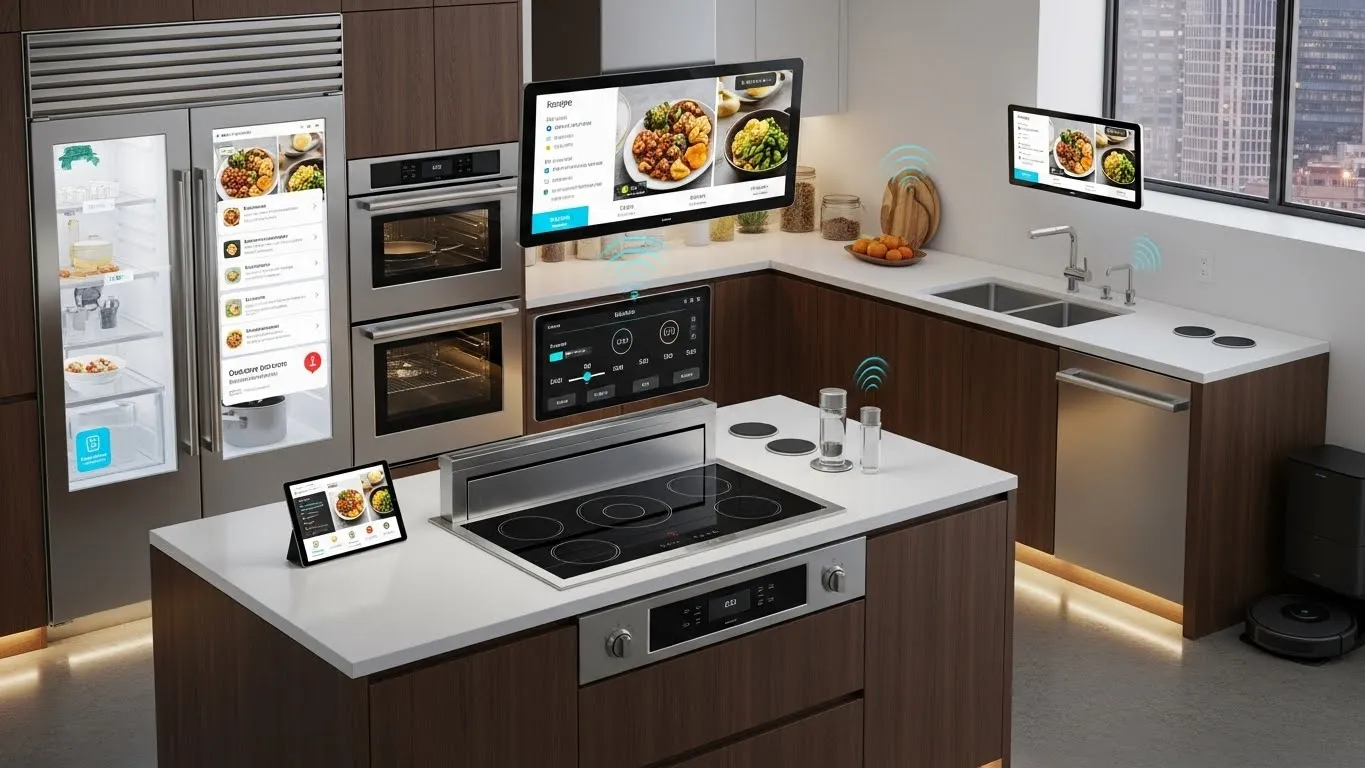
Mastering Your Smart Thermostat: Advanced Scheduling and Predictive Climate Management
In today's interconnected world, a smart thermostat is far more than just a fancy temperature controller; it's the intelligent core of your home's climate system. Moving beyond basic on/off functions, these devices offer sophisticated tools for advanced scheduling and predictive climate management, promising unparalleled comfort and significant energy savings. This guide will walk you through unlocking the full potential of your device, transforming your home into a truly responsive and energy-efficient living space. From custom routines to AI-driven adjustments, mastering your smart thermostat means taking control of your environment like never before.
Key Points:
- Beyond Basic Control: Smart thermostats offer advanced features beyond simple temperature setting.
- Energy Efficiency: Learn how to maximize savings through intelligent scheduling.
- Predictive Comfort: Leverage AI and sensor data for proactive climate adjustments.
- Seamless Integration: Understand how your thermostat fits into your broader smart home.
- Long-term Value: Optimize your investment for lasting comfort and reduced utility bills.
Unlocking the Power of Advanced Scheduling with Your Smart Thermostat
The core benefit of any smart thermostat lies in its ability to manage your home's climate dynamically. While basic programmable thermostats allow for simple time-based adjustments, modern devices excel with advanced scheduling smart thermostat capabilities. This means creating intricate, personalized routines that adapt to your lifestyle, not just a rigid 9-to-5. Instead of manually tweaking settings, you can program different temperatures for various days of the week, unique intervals, and even account for holidays or extended absences. This meticulous planning significantly contributes to optimizing smart thermostat energy savings.
Most smart thermostats offer intuitive apps that let you craft these schedules with ease. For example, you might set a "wake-up" temperature, a "leave-home" setback, a "return-home" warm-up, and a "sleep" setting. However, truly advanced scheduling goes a step further by incorporating features like geofencing. With geofencing, your thermostat uses your smartphone's location to know when you're coming or going, automatically adjusting the temperature to save energy when you're out and ensuring comfort upon your return. This proactive approach to climate control minimizes wasted energy while maintaining ideal conditions.
The Rise of Predictive Climate Management and AI Learning
One of the most exciting differentiators in modern smart thermostat technology is its integration of predictive climate management. This isn't just about following a schedule; it's about the thermostat learning from your habits, understanding your home's thermal properties, and even factoring in external data like local weather forecasts to make intelligent, proactive adjustments. Traditional thermostats react to temperature changes; predictive ones anticipate them.
For instance, if your thermostat learns that it takes 30 minutes to cool your home from 78°F to 72°F on a hot summer afternoon, it will begin cooling before you arrive home, ensuring your desired temperature is met precisely when you walk through the door. This smart anticipatory feature is powered by sophisticated algorithms and machine learning. According to a 2024 report by the Environmental Protection Agency (EPA), homes utilizing advanced predictive climate management systems saw an average reduction of 10-15% in heating and cooling energy consumption compared to those with basic programmable thermostats. This illustrates the tangible benefits of letting your device learn and adapt.
Another aspect of predictive management involves continuous optimization. Your thermostat constantly refines its understanding of your home's thermal characteristics – how quickly it heats up or cools down, how insulation performs, and the impact of direct sunlight. This ongoing learning process means that over time, your system becomes even more efficient, delivering peak energy efficiency without compromising comfort.
Integrating with Your Smart Home Ecosystem for Holistic Comfort
A truly mastered smart thermostat doesn't operate in isolation. Its full potential is realized when it integrates seamlessly into your broader smart home ecosystem. Imagine a scenario where your smart thermostat communicates with your smart blinds, automatically closing them on a sunny afternoon to reduce heat gain, or linking with your smart ceiling fans to assist with air circulation. This holistic approach to home automation creates a synchronized environment that responds intelligently to conditions both inside and outside your home.
Many smart thermostats are compatible with major smart home platforms like Apple HomeKit, Google Home, and Amazon Alexa. This allows for voice control and the creation of complex routines involving multiple devices. For example, a "Goodnight" routine could not only set your thermostat to a sleep temperature but also dim the lights, lock the doors, and arm your security system. This level of interconnectivity enhances both comfort and convenience, making your home truly smart. While some smart kitchen appliances might seem disparate, their integration through a central hub can create efficiencies, such as ensuring proper ventilation when cooking, which impacts overall home climate. Consider how your thermostat can work in concert with these devices by exploring resources on /categories/smart-kitchen-appliances.
Beyond Temperature: Humidity Control and Zone Management
While temperature is often the primary focus, advanced smart thermostats also offer sophisticated humidity control. Maintaining optimal indoor humidity levels (typically between 30-50%) is crucial not only for comfort but also for preventing mold growth and protecting your home's furnishings. A smart thermostat with a built-in humidistat can automatically activate your home's humidifier or dehumidifier to keep moisture levels in check, creating a healthier and more comfortable environment. This is a crucial element of comprehensive home climate control.
For larger homes or those with diverse heating/cooling needs, zone management is a game-changer. Research published by the American Council for an Energy-Efficient Economy (ACEEE) in late 2023 highlighted that homes with properly implemented zone control systems could achieve an additional 5-10% in energy savings compared to whole-house uniform conditioning. Instead of heating or cooling unoccupied areas, zone management allows you to divide your home into distinct temperature zones, each controlled by its own sensor or thermostat. This ensures that only occupied areas receive conditioning, drastically reducing energy waste. For instance, you could keep your bedrooms cooler at night while maintaining a warmer temperature in your living areas during the day. This precise control over individual comfort zones is a hallmark of truly advanced climate management.
Proactive Maintenance and System Health Monitoring
One unique insight offered by mastering your smart thermostat is its capability for proactive HVAC system health monitoring. Beyond just adjusting temperatures, many high-end smart thermostats can track the run-time of your furnace and AC, filter life, and even detect unusual operational patterns. This data can provide valuable insights into your system's efficiency and alert you to potential issues before they become major breakdowns.
For example, if your AC unit is taking unusually long to cool your home, or if the filter hasn't been changed in months, your thermostat can send you an alert. Some advanced models can even integrate with HVAC service providers, allowing for remote diagnostics and predictive maintenance scheduling. This shifts the paradigm from reactive repairs to proactive care, extending the lifespan of your expensive HVAC equipment and preventing inconvenient outages. This intelligent system oversight is a significant value add, often overlooked, that truly differentiates a smart thermostat from its predecessors. For more on maximizing your home's smart potential, consider reading /articles/the-ultimate-guide-to-smart-home-integration.
Optimizing for Energy Savings: Practical Tips and Strategies
To truly master your smart thermostat and achieve maximum energy efficiency, it's essential to combine advanced features with smart usage habits.
- Understand Your Home's Thermal Envelope: Pay attention to how quickly your home heats up or cools down. Use this knowledge to fine-tune your setback schedules.
- Leverage Geofencing: Ensure geofencing is enabled and calibrated correctly. This automatic adjustment is one of the easiest ways to save energy without thinking about it.
- Utilize Eco Modes: Many thermostats offer "Eco" or "Away" modes that automatically set temperatures to more energy-efficient levels when your home is unoccupied.
- Monitor Energy Reports: Review the energy usage reports provided by your thermostat's app. These insights can help you identify patterns and areas for improvement. A Department of Energy (DOE) study in early 2025 indicated that regular review of energy data can lead to an additional 5% in savings for engaged users.
- Seasonal Adjustments: Create distinct schedules for summer and winter. Don't rely on year-round settings, as optimal temperatures and needs change with the seasons.
By actively engaging with these tools, you transform your smart thermostat into a powerful ally in reducing your utility bills and carbon footprint. If you're still deciding on the best fit for your needs, /articles/choosing-the-best-smart-thermostat-for-your-home offers valuable guidance.
FAQ Section
Q: How do predictive climate management features actually save energy? A: Predictive climate management saves energy by learning your home's unique thermal characteristics and anticipating temperature changes. Instead of constantly over-cooling or over-heating, it applies just the right amount of conditioning at the right time. For example, it might start cooling an hour before you arrive home, but only enough to reach your desired temperature precisely when you walk in, avoiding wasted energy by overshooting or running unnecessarily long. This proactive intelligence leads to more precise and efficient energy use.
Q: Can a smart thermostat integrate with my existing HVAC system, or do I need a new one? A: Most smart thermostats are designed to be compatible with the vast majority of existing HVAC systems, including conventional (gas, electric, oil) and heat pump systems. They typically connect using the same low-voltage wiring as traditional thermostats. While some older, more complex, or multi-stage systems might require professional installation or specific thermostat models, the vast majority of homeowners can upgrade their thermostat without needing to replace their entire HVAC unit. It's always wise to check compatibility with your specific system before purchasing.
Q: What are the key differences between geofencing and advanced scheduling? A: Advanced scheduling relies on fixed, pre-set times and days to adjust your home's temperature, offering predictable control based on your routine. Geofencing, on the other hand, uses your smartphone's location to automatically adjust the temperature based on whether you are home or away, providing dynamic, real-time energy savings. While scheduling is ideal for consistent routines, geofencing offers flexibility for variable schedules, ensuring comfort upon return and savings when you unexpectedly leave earlier. Many users find combining both provides the best of both worlds.
Conclusion: Your Pathway to Ultimate Home Climate Control
Embracing the full capabilities of your smart thermostat through advanced scheduling and predictive climate management is a significant step towards a more comfortable, energy-efficient, and responsive home. By understanding its learning abilities, integrating it with your smart ecosystem, and leveraging its proactive features, you're not just setting a temperature – you're orchestrating your ideal living environment. The journey to mastering your climate control is ongoing, with new innovations consistently emerging to enhance comfort and savings.
Start exploring your thermostat's advanced settings today! Share your favorite smart thermostat tips in the comments below, or subscribe to our newsletter for the latest in smart home technology trends and insights. Continue your smart home journey by delving into more aspects of intelligent living.
Future Subtopics for Expansion:
- Smart Thermostat Data Privacy and Security: A deep dive into how manufacturers handle user data and best practices for securing your smart home.
- DIY Installation vs. Professional Help: A comprehensive guide to installing a smart thermostat yourself versus when to call an expert.
- Comparing Top Smart Thermostat Models: An in-depth review of the leading smart thermostats on the market, focusing on their advanced features and unique selling points.