Mastering IoT Technologies for Intelligent Home Management
Mastering IoT Technologies for Intelligent Home Management: A Comprehensive Guide
The dream of a truly intelligent home, once confined to science fiction, is now a tangible reality thanks to the rapid evolution of Internet of Things (IoT) technologies. Mastering IoT technologies for intelligent home management isn't just about convenience; it's about creating a living space that is intuitive, secure, energy-efficient, and responsive to your needs. From automated lighting to smart security systems and climate control, IoT devices are transforming how we interact with our homes, offering unprecedented levels of control and personalization. This guide explores the core components, benefits, and practical applications of integrating IoT into your home, empowering you to build a smarter, more connected future.
Key Points for Intelligent Home Management
- Seamless Integration: Connect various devices for unified control.
- Enhanced Security: Real-time monitoring and proactive alerts.
- Optimized Energy Use: Reduce consumption with smart automation.
- Personalized Comfort: Adjust environments to your preferences.
- Future-Proof Living: Adaptable systems for evolving needs.
Understanding the Foundation of Smart Home IoT Solutions
At its heart, an intelligent home management system relies on a network of interconnected IoT devices that collect data, communicate with each other, and execute commands. These devices range from simple sensors to complex AI-powered hubs, all working in concert to automate tasks and provide actionable insights. The backbone of these systems includes robust wireless communication protocols, cloud computing for data processing, and user-friendly interfaces for control.
Core IoT Technologies Powering Modern Homes
Several key technologies converge to make intelligent home management possible. Understanding these components is crucial for anyone looking to optimize their living space.
- Sensors and Actuators: These are the eyes and ears of your smart home.
- Motion Sensors: Detect movement for security or lighting activation.
- Temperature and Humidity Sensors: Maintain optimal climate control.
- Door/Window Sensors: Monitor entry points for security.
- Light Sensors: Adjust intelligent lighting systems based on ambient light.
- Actuators: Devices like smart plugs, motorized blinds, and smart thermostats that perform actions based on sensor data or user commands.
- Connectivity Protocols: How devices talk to each other.
- Wi-Fi: Common for high-bandwidth devices like cameras and smart TVs.
- Bluetooth: Ideal for short-range, low-power connections.
- Zigbee & Z-Wave: Low-power mesh networks designed specifically for smart home devices, offering reliability and scalability.
- Thread: An emerging IP-based mesh networking protocol, often used with Matter for enhanced interoperability.
- Cloud Computing and AI: The intelligence behind the automation.
- Cloud Platforms: Store and process vast amounts of data from devices, enabling complex automation rules and remote access.
- Artificial Intelligence (AI) & Machine Learning (ML): Analyze usage patterns to predict needs, optimize energy consumption, and personalize experiences over time. For instance, AI can learn your daily routines to pre-heat your home before you arrive.
Key Pillars of Intelligent Home Management with IoT
Mastering IoT technologies for intelligent home management involves focusing on several critical areas that significantly enhance quality of life and property value.
Enhancing Home Security with IoT Devices
Smart security solutions offer unparalleled peace of mind. Integrating IoT devices creates a comprehensive defense system that is both proactive and responsive.
- Smart Cameras: Offer live streaming, motion detection, and two-way audio, allowing you to monitor your home remotely. Advanced models feature facial recognition and package detection.
- Smart Locks: Provide keyless entry, remote access control, and activity logs. You can grant temporary access to visitors or service providers from anywhere.
- Alarm Systems: Integrate with sensors (door/window, motion, glass break) to trigger alarms and send immediate notifications to your smartphone or a monitoring service.
- Video Doorbells: Allow you to see and speak to visitors, even when you're not home, adding a crucial layer of security at your doorstep.
Optimizing Energy Efficiency with Smart Home Automation
One of the most compelling benefits of IoT in the home is its potential for significant energy savings. By automating and optimizing energy consumption, smart homes contribute to both your wallet and the environment.
- Smart Thermostats: Learn your preferences and schedule, adjusting heating and cooling automatically. Many can be controlled remotely and integrate with weather forecasts.
- Smart Plugs: Turn any appliance into a smart device, allowing you to control power remotely and monitor energy usage. This is particularly useful for "vampire" devices that draw power even when off.
- Intelligent Lighting Systems: Beyond simple on/off, these systems offer dynamic control. For more information on this topic, readers can explore related articles on energy-efficient lighting solutions.
- Energy Monitoring Systems: Provide detailed insights into your home's overall energy consumption, helping identify areas for improvement.
Elevating Comfort and Convenience through IoT Integration
IoT transforms daily routines into seamless experiences, making your home a more comfortable and convenient place to live.
- Voice Assistants: Central hubs like Amazon Alexa or Google Assistant allow hands-free control of virtually all connected devices, from playing music to adjusting the thermostat.
- Automated Blinds and Shades: Control natural light and privacy with scheduled or voice-activated adjustments.
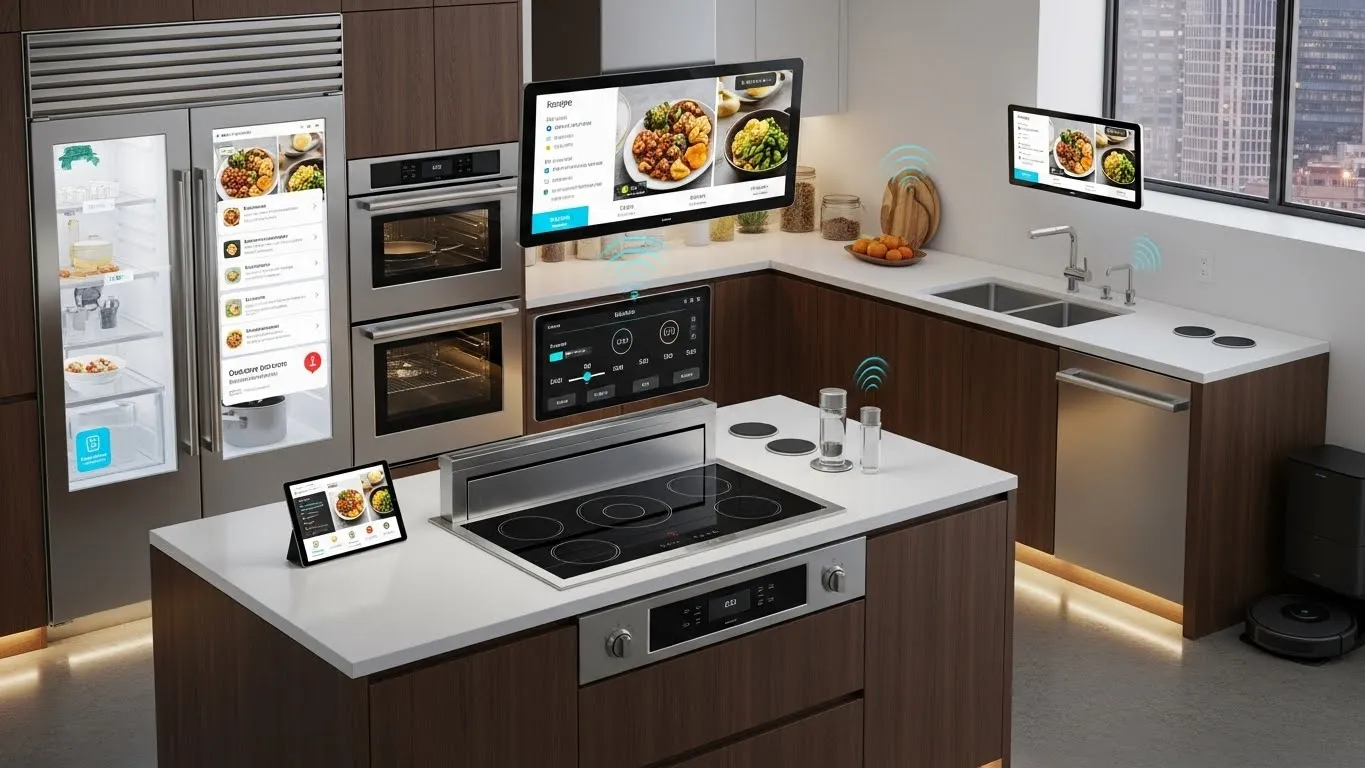
- Smart Appliances: Refrigerators that track inventory, ovens that preheat remotely, and washing machines that notify you when cycles are complete add convenience to household chores.
- Multi-Room Audio Systems: Stream music seamlessly throughout your home, controlled from a single app or voice command.
Implementing Intelligent Lighting Systems: A Deep Dive
As a core component of intelligent home management, intelligent lighting systems offer more than just illumination. They contribute significantly to ambiance, security, and energy efficiency.
Benefits of Smart Lighting
- Energy Savings: LED smart bulbs consume less power and can be dimmed or turned off automatically when not needed, based on occupancy or natural light levels.
- Enhanced Security: Program lights to turn on and off randomly when you're away, simulating occupancy and deterring potential intruders.
- Mood and Ambiance: Adjust color temperature and brightness to suit different activities or times of day, from bright task lighting to warm, relaxing hues.
- Convenience: Control lights from anywhere via smartphone, voice commands, or automated schedules.
Advanced Features and Integration
Modern intelligent lighting systems go beyond basic control. They integrate with other IoT devices to create dynamic scenarios.
- Occupancy Sensing: Lights turn on when you enter a room and off when you leave, preventing wasted energy.
- Daylight Harvesting: Sensors detect natural light levels and adjust artificial lighting accordingly, maintaining consistent illumination while saving energy.
- Circadian Lighting: Mimics the natural light cycle, adjusting color temperature throughout the day to support human well-being and sleep patterns.
- Integration with Security: Lights can flash or change color to alert you to a security breach or fire alarm, working in conjunction with other smart home security components.
Differentiated Value: The Future of Interoperability and AI Personalization
While many smart homes exist, true differentiation lies in seamless interoperability and advanced AI-driven personalization.
- The Rise of Unified Standards (Matter & Thread): A significant pain point in early IoT adoption was the fragmentation of ecosystems. The introduction of standards like Matter, built on IP and often utilizing Thread for connectivity, is a game-changer. Matter aims to provide a universal language for smart home devices, allowing products from different manufacturers to communicate effortlessly. This means consumers will no longer be locked into a single brand, fostering greater choice and simpler integration. This trend, highlighted in a 2024 industry report by the Smart Home Alliance, indicates a shift towards truly open and scalable smart home ecosystems.
- Hyper-Personalized AI Automation: Beyond simple "if-then" rules, the next wave of intelligent home management leverages sophisticated AI to predict and adapt to individual habits and preferences with unprecedented accuracy. Imagine a home that not only adjusts the thermostat based on your schedule but also considers your current mood (detected via wearable tech or voice analysis), local pollen count, and even your preferred music genre for specific times of day, all without explicit commands. This level of predictive automation, discussed in a 2025 whitepaper by leading AI research firm, CogniHome Labs, moves beyond reactive control to proactive, intuitive living environments.
Navigating Challenges and Ensuring a Secure Smart Home
While the benefits are clear, mastering IoT technologies for intelligent home management also requires addressing potential challenges, particularly concerning security and privacy.
- Data Privacy: IoT devices collect vast amounts of personal data. It's crucial to choose reputable brands with strong privacy policies and to understand what data is being collected and how it's used.
- Cybersecurity Risks: Every connected device is a potential entry point for cyber threats. Regularly update device firmware, use strong, unique passwords, and segment your smart home network if possible. A 2023 cybersecurity analysis by TechGuard Solutions emphasized that outdated firmware is a primary vulnerability for smart home devices.
- Interoperability Issues: While Matter is addressing this, older devices or niche products might still struggle to communicate. Research compatibility before purchasing.
Frequently Asked Questions (FAQ)
What are the essential IoT devices for a beginner's smart home?
For those starting out, essential IoT devices often include a smart speaker (like Amazon Echo or Google Home) as a central hub, smart plugs for controlling basic appliances, and a few smart bulbs for intelligent lighting systems. A smart thermostat is also a great early addition for energy savings and comfort. These devices offer a good balance of functionality and ease of setup.