Intelligent Home Management: Optimizing Modern Living Spaces
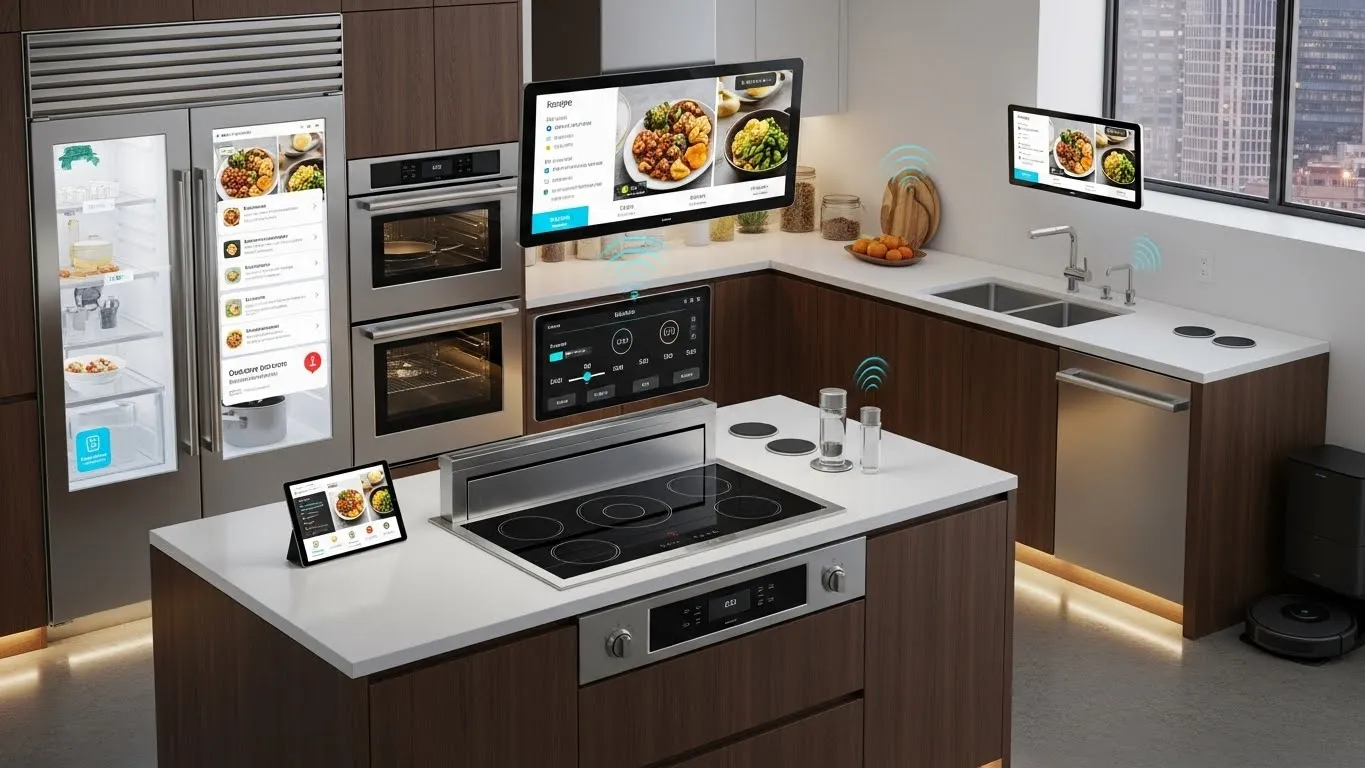
Intelligent Home Management: Optimizing Modern Living Spaces
In today's fast-paced world, the concept of a home is evolving beyond mere shelter. It's becoming a dynamic, responsive environment designed to enhance our lives. Intelligent Home Management is at the forefront of this transformation, offering sophisticated systems that integrate technology to optimize comfort, security, and sustainability. By leveraging advanced automation, artificial intelligence, and interconnected devices, homeowners can create living spaces that not only adapt to their needs but also anticipate them. This comprehensive guide explores how intelligent home management is redefining modern living, making our homes smarter, more efficient, and ultimately, more enjoyable.
Key Points:
- Enhanced Comfort: Automated climate, lighting, and entertainment systems.
- Superior Security: Integrated surveillance, smart locks, and safety sensors.
- Energy Efficiency: Smart thermostats and real-time energy monitoring.
- Predictive Capabilities: AI-driven systems anticipate needs and optimize settings.
- Seamless Integration: Centralized control over all connected devices.
The Core of Intelligent Home Management: Beyond Basic Automation
Intelligent Home Management goes far beyond simple smart home automation. While automation involves programming devices to perform tasks automatically (like turning lights on at sunset), intelligent management introduces a layer of adaptive intelligence. This means systems learn from your habits, respond to environmental changes, and make autonomous decisions to optimize your living space. The integration of IoT devices with advanced AI algorithms allows for a truly personalized and proactive home environment. It's about creating a home that thinks for itself, constantly working to improve your quality of life.
Enhancing Comfort and Convenience with Smart Systems
The primary appeal of intelligent home management for many lies in its ability to elevate daily comfort and convenience. Imagine a home where the temperature adjusts before you arrive, lights dim automatically for movie night, and your favorite music plays as you wake up. These systems offer unparalleled control over your environment.
- Personalized Climate Control: Smart thermostats, a cornerstone of climate control and energy management, learn your preferences and adjust heating and cooling based on occupancy, external weather, and even individual room needs. This ensures optimal comfort while minimizing energy waste.
- Adaptive Lighting: Beyond simple on/off switches, intelligent lighting systems can adjust brightness and color temperature throughout the day, mimicking natural light cycles to support your circadian rhythm.
- Voice-Activated Control: Integrating voice assistants allows for hands-free management of virtually every connected device, from adjusting the blinds to initiating a cleaning cycle.
A significant differentiation point for modern intelligent systems is their predictive comfort capabilities. Unlike older systems that react to current conditions, new solutions use predictive analytics to anticipate your comfort needs. For example, a system might learn your preferred temperature based on the day of the week and time, pre-heating or cooling your home to that exact setting just before you typically arrive, factoring in external temperature forecasts. This proactive approach ensures maximum comfort with minimal effort.
Achieving Sustainable Living Through Energy Efficiency
One of the most impactful benefits of intelligent home management is its profound contribution to energy efficiency. As concerns about climate change and rising utility costs grow, smart homes offer tangible solutions for reducing consumption and promoting sustainable living.
- Dynamic Energy Optimization: Advanced systems monitor energy usage in real-time, identifying energy hogs and suggesting adjustments. They can even integrate with local utility grids to consume power during off-peak hours or when renewable energy sources are abundant, significantly lowering bills and carbon footprint.
- Smart Appliance Integration: From refrigerators that track inventory to washing machines that run during optimal energy times, smart appliances are becoming integral to a truly energy-efficient home.
- Renewable Energy Management: For homes with solar panels or other renewable sources, intelligent systems can manage energy storage and distribution, ensuring maximum self-sufficiency and efficiency.
According to a 2025 report by the Global Smart Home Market Analysis, homes equipped with comprehensive intelligent management systems can see an average reduction of 15-20% in energy consumption. This data underscores the practical benefits of investing in sustainable smart home solutions. For further insights into maximizing energy savings, readers can explore related articles on smart grid integration and renewable energy technologies.
Boosting Home Security and Safety with Intelligent Solutions
Beyond comfort and efficiency, intelligent home management significantly enhances the security and safety of your modern living spaces. These integrated systems provide peace of mind, whether you're at home or away.
- Comprehensive Surveillance: Smart cameras offer high-definition video feeds, motion detection, and often facial recognition, allowing you to monitor your property from anywhere.
- Smart Locks and Access Control: Keyless entry, remote locking/unlocking, and temporary access codes provide flexible and secure control over who enters your home.
- Environmental Sensors: Integrated smoke, carbon monoxide, water leak, and glass-break sensors offer immediate alerts in case of emergencies, potentially preventing significant damage or harm.
The real power here lies in the interconnectivity of these systems. If a smoke alarm triggers, an intelligent system can automatically unlock doors for emergency services, turn on lights to guide occupants, and shut down HVAC systems to prevent smoke circulation. This level of coordinated response is a hallmark of truly intelligent home management.
The Future of Intelligent Home Management: Trends and Innovations
The landscape of intelligent home management is continuously evolving, driven by rapid advancements in AI, IoT, and connectivity. The future promises even more seamless, personalized, and proactive living environments.
- Hyper-Personalization with AI: Future systems will leverage even more sophisticated AI to understand individual preferences, moods, and routines, creating truly bespoke living experiences. Imagine a home that adjusts lighting and music based on your stress levels, or prepares your coffee just as you're about to wake up.
- Seamless Interoperability: The industry is moving towards greater standardization, meaning devices from different manufacturers will communicate and integrate more effortlessly. This will simplify setup and expand customization options for home optimization.
- Enhanced Cybersecurity: As homes become more connected, cybersecurity becomes paramount. Future systems will incorporate advanced encryption and threat detection to protect personal data and prevent unauthorized access. A 2024 whitepaper from the Smart Home Security Alliance emphasized the critical need for robust, multi-layered security protocols in all connected home devices.
Implementing Your Intelligent Home Management System
Embarking on the journey to an intelligent home requires thoughtful planning. It's not just about buying smart gadgets; it's about creating a cohesive ecosystem.
- Assess Your Needs: Identify your priorities – is it energy savings, security, comfort, or a combination? This will guide your technology choices.
- Choose a Central Hub/Platform: Decide on a core platform (e.g., Apple HomeKit, Google Home, Amazon Alexa, Samsung SmartThings) that will serve as the brain of your system. Compatibility is key.
- Start Small, Expand Gradually: You don't need to automate everything at once. Begin with a few key areas like climate control or lighting, and expand as you become more comfortable.
- Consider Professional Installation: While many devices are DIY-friendly, complex integrations or whole-home systems may benefit from professional installation to ensure optimal performance and security.
For guidance on selecting the right smart home devices for your specific needs, readers can refer to articles discussing comprehensive smart home device reviews and comparisons.
FAQ Section
Q1: What exactly is intelligent home management? Intelligent home management refers to advanced systems that integrate various smart devices and technologies within a home to create a cohesive, automated, and adaptive living environment. Unlike basic automation, these systems often use artificial intelligence and machine learning to learn occupant habits, respond to real-time conditions, and make proactive decisions to optimize comfort, security, and energy efficiency without constant manual input.