Home Automation Platforms: Your Guide to a Smarter Home
Home Automation Platforms: Your Guide to a Smarter Home
Welcome to the future of living, where your home anticipates your needs and responds to your commands. Home automation platforms are the central nervous system of any smart home, connecting diverse devices and allowing them to communicate seamlessly. These powerful systems transform ordinary residences into intelligent environments, offering unparalleled convenience, enhanced security, and significant energy savings. Whether you're a tech enthusiast or just starting your smart home journey, understanding these platforms is crucial for building a truly connected and efficient living space. This guide will walk you through the essentials, helping you choose the best platform to create your smarter home.
Key Points:
- Centralized Control: Manage all smart devices from one interface.
- Enhanced Convenience: Automate routines for effortless living.
- Improved Security: Monitor and protect your home remotely.
- Energy Efficiency: Optimize power usage with smart scheduling.
- Future-Proofing: Choose platforms that support emerging standards like Matter.
Understanding Home Automation Platforms and Their Value
At its core, a home automation platform is a software and hardware ecosystem that allows various smart devices to interact and perform automated tasks. Think of it as the conductor of an orchestra, ensuring every instrument (your smart lights, thermostats, locks, and speakers) plays in harmony. These platforms provide a unified interface, often through a mobile app or voice assistant, from which you can control, monitor, and schedule your devices. The true value lies in the interoperability they foster, enabling complex routines like dimming lights when you start a movie or adjusting the thermostat when you leave for work.
The benefits extend beyond simple control. From my experience, a well-implemented home automation platform significantly boosts daily convenience, allowing you to focus on what matters most. For instance, imagine your coffee machine starting automatically as your alarm goes off, or your porch lights illuminating as your car pulls into the driveway. These systems also offer robust security features, providing peace of mind through remote monitoring and instant alerts. Furthermore, by optimizing energy usage with smart thermostats and lighting, these platforms contribute to a more sustainable and cost-effective household.
Key Features to Look for in a Home Automation Platform
Choosing the right home automation platform requires careful consideration of several critical features. The market is diverse, and what works for one household might not be ideal for another.
Interoperability and Device Compatibility
A platform's ability to communicate with a wide range of smart devices is paramount. Look for support for popular communication protocols like Wi-Fi, Bluetooth, Zigbee, and Z-Wave. The emerging Matter protocol, launched in late 2022, is a game-changer, promising universal compatibility across different brands and ecosystems. A platform that embraces Matter will offer greater flexibility and future-proofing for your smart home setup. According to a 2024 report by the Connectivity Standards Alliance, Matter-certified devices are expected to dominate the smart home market by 2026, simplifying integration significantly.
Ease of Use and User Interface
The best home automation platforms boast intuitive interfaces that make setup and daily management straightforward. Whether it's a mobile app, a dedicated hub, or voice commands, the system should be easy to navigate for all household members. A user-friendly experience ensures you'll actually leverage the platform's full potential rather than getting frustrated by complex menus.
Scalability and Customization
Your smart home needs will likely evolve. A good platform should be scalable, allowing you to easily add new devices and expand your automation capabilities over time. Robust customization options, such as creating personalized routines, scenes, and automations, are also essential for tailoring the system to your unique lifestyle.
Security and Privacy
With more devices connected, security and privacy become critical concerns. Prioritize platforms that offer strong encryption, regular security updates, and clear privacy policies regarding your data. Local processing of automations, where possible, can also enhance privacy by reducing reliance on cloud services.
Voice Assistant Integration
Seamless integration with popular voice assistants like Amazon Alexa, Google Assistant, or Apple Siri enhances convenience, allowing hands-free control of your smart home. This feature is often a primary driver for adopting smart home technology.
Top Home Automation Platforms in 2026
The landscape of home automation platforms is dynamic, with several key players dominating the market. Each offers unique strengths tailored to different user preferences.
Google Home/Nest Ecosystem
Google Home, powered by Google Assistant, offers a robust ecosystem tightly integrated with Google services. It excels in AI-driven automation and voice control, supporting a vast array of third-party devices. Its Nest line provides excellent smart thermostats, cameras, and doorbells, all managed through the Google Home app. A 2024 market analysis by TechInsights highlighted Google's strong position in AI-powered smart home devices, particularly for users already invested in Google's services.
Apple HomeKit
For Apple users, HomeKit provides a secure and private smart home experience. Integrated directly into iOS, iPadOS, and macOS, it offers seamless control via the Home app and Siri. HomeKit emphasizes user privacy and requires strict security certifications for compatible devices, making it a preferred choice for those prioritizing data protection.
Amazon Alexa (Echo Ecosystem)
Amazon Alexa boasts the widest device compatibility and a highly developed ecosystem of "Skills" that extend its functionality. Its Echo devices are ubiquitous, offering excellent voice control and routine creation. Alexa is particularly strong for users who want extensive device options and a highly customizable voice-controlled environment.
Samsung SmartThings
SmartThings is known for its open platform and broad support for Zigbee, Z-Wave, and Wi-Fi devices. It offers a powerful hub that can act as a central controller, allowing for complex automations and integrations across a diverse range of brands. This platform is ideal for users who desire maximum flexibility and control over a multi-brand smart home setup.
DIY & Advanced Platforms: Home Assistant and Hubitat
For the technically inclined, platforms like Home Assistant and Hubitat Elevation offer unparalleled customization and local control, reducing reliance on cloud services. Home Assistant, an open-source solution, requires more technical expertise but provides limitless possibilities for integration and automation. Hubitat offers a similar local-first approach with a more user-friendly interface than Home Assistant, appealing to advanced users seeking privacy and reliability.
Choosing the Right Home Automation Platform for Your Needs
Selecting the ideal home automation platform involves evaluating your current situation and future aspirations.
- Assess Your Existing Devices: Do you already own smart devices? Check their compatibility with different platforms. Sticking to an ecosystem that supports your current gadgets can save money and simplify migration.
- Consider Your Budget: Platforms vary in cost, from free software like Home Assistant (requiring hardware investment) to premium hubs and subscription services.
- Evaluate Your Technical Comfort Level: Some platforms are plug-and-play, while others demand more technical know-how. Be realistic about your willingness to troubleshoot and configure.
- Plan for Future Expansion: Think about what smart devices you might want to add later. Choose a platform that offers good scalability and supports emerging standards like Matter.
- Prioritize Your Needs: Are you looking for convenience, security, energy savings, or a combination? Your primary goals will guide your platform choice.
Integrating Smart Kitchen Appliances with Your Platform
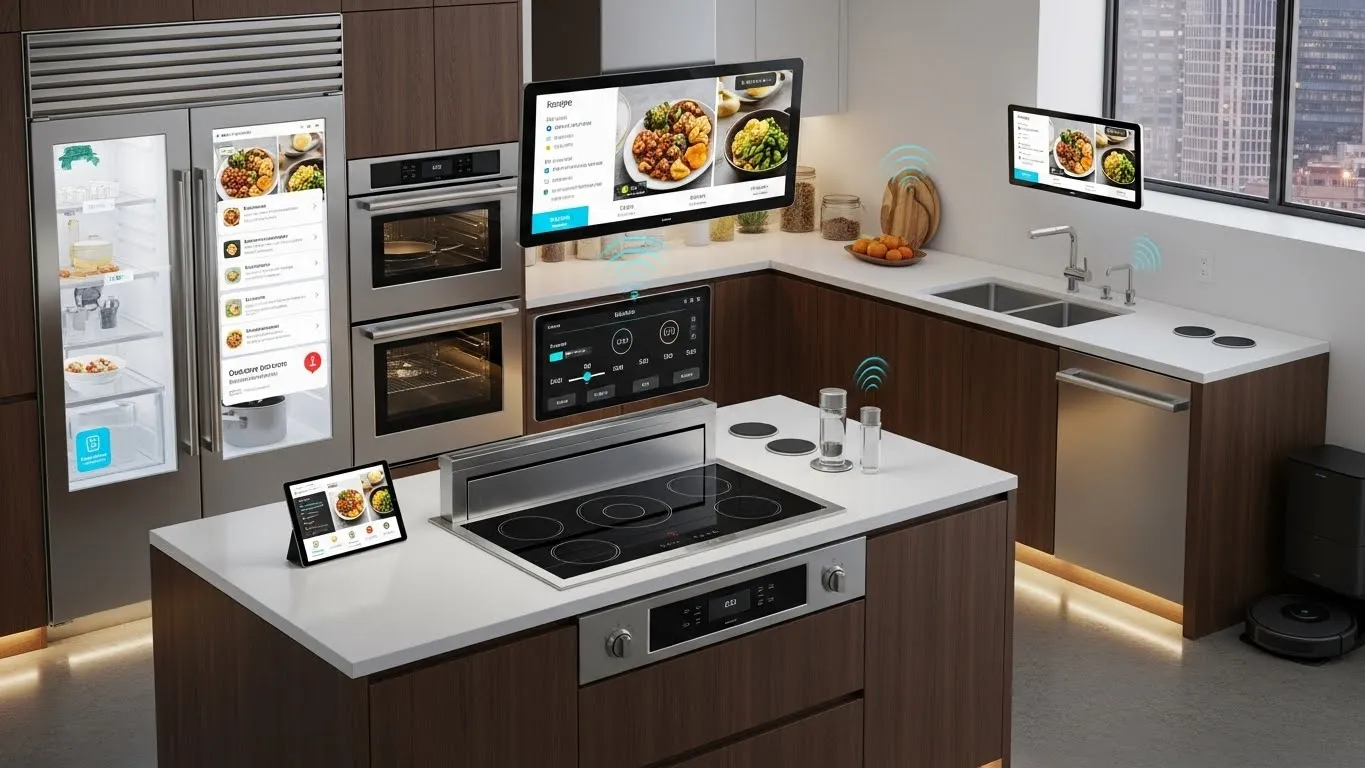
The kitchen, often the heart of the home, is increasingly becoming a hub for smart technology. Integrating smart kitchen appliances into your chosen home automation platform can revolutionize your culinary experience and streamline daily tasks. For more information on this topic, readers can explore related articles on smart refrigerators.
- Smart Ovens and Cooktops: Imagine preheating your oven from your office or receiving a notification when your meal is ready. Platforms can integrate with smart ovens to control cooking settings, monitor progress, and even suggest recipes.
- Smart Refrigerators: These appliances can track inventory, suggest recipes based on available ingredients, and even create shopping lists, all accessible through your platform's app.
- Smart Coffee Makers: Wake up to a freshly brewed cup of coffee, scheduled to start automatically as part of your morning routine.
- Dishwashers and Microwaves: Receive alerts when cycles are complete, or remotely start a dishwasher cycle to take advantage of off-peak energy rates.
The benefits in the kitchen are clear: enhanced efficiency, reduced food waste, and a more enjoyable cooking experience. A report from the IoT Solutions Alliance in late 2023 highlighted a 15% increase in energy efficiency for households actively using smart kitchen appliance automations.
The Future of Smart Homes: Trends and Innovations
The smart home industry is continuously evolving, with exciting trends shaping its future.
- AI and Predictive Automation: Future platforms will leverage advanced AI to learn your habits and predict your needs, automating tasks even before you think of them. This could include adjusting lighting based on natural light levels and your schedule, or pre-cooling your home before a heatwave.
- Enhanced Privacy and Security: As smart homes become more pervasive, expect stricter privacy controls and more robust security measures, including advanced biometric authentication and encrypted local processing of data.
- Energy Management and Sustainability: Smart homes will play a critical role in energy conservation, dynamically managing power consumption based on grid demand, renewable energy availability, and user preferences.
- Ambient Computing: The idea of technology fading into the background, seamlessly assisting you without explicit commands, is gaining traction. Your home will become more context-aware, responding naturally