Exploring the Future of Smart Homes with IoT Integration
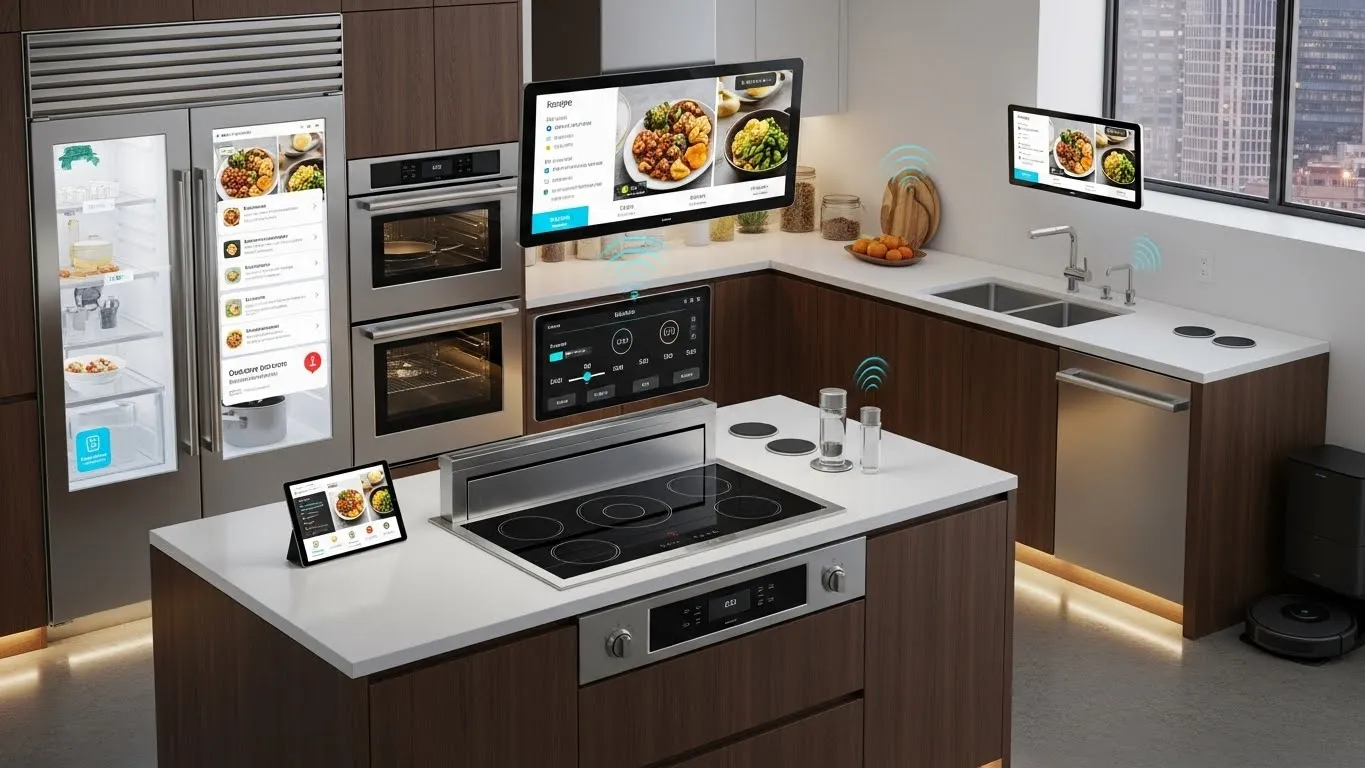
Exploring the Future of Smart Homes with IoT Integration
The concept of a smart home, once a futuristic dream, is rapidly becoming an everyday reality, largely thanks to the pervasive influence of IoT integration. This article delves into how the Internet of Things (IoT) is not just connecting devices but fundamentally reshaping our living spaces, promising unparalleled convenience, efficiency, and security. We'll explore the cutting-edge technologies and trends that are defining the next generation of smart homes, moving beyond simple automation to truly intelligent and adaptive environments. Understanding these advancements is crucial for anyone looking to embrace the full potential of smart home technology.
Key Points:
- Seamless Connectivity: IoT enables all home devices to communicate and operate cohesively.
- AI-Driven Intelligence: Artificial intelligence is transforming smart homes into predictive, responsive systems.
- Enhanced Security: Advanced IoT solutions offer robust protection for your home and data.
- Sustainable Living: Smart homes are becoming key players in energy conservation and environmental responsibility.
- Hyper-Personalization: Future smart homes will adapt precisely to individual user preferences and habits.
The Evolution of Smart Homes with IoT Integration
The journey of smart homes began with basic remote controls and programmable thermostats. Today, the IoT integration has propelled them into an era of unprecedented connectivity. Every appliance, sensor, and gadget in a modern smart home is a node in a vast network, constantly collecting data and communicating to optimize your living experience. This interconnectedness is the cornerstone of truly intelligent environments, allowing for complex automations and real-time adjustments that were previously impossible.
Early smart home systems often operated in silos, with different brands and devices struggling to communicate. However, the push for open standards and robust communication protocols has significantly improved interoperability. This means that your smart lighting, security cameras, and climate control can now work together seamlessly, creating a unified and responsive ecosystem. The ability for diverse devices to integrate effortlessly is a major leap forward, simplifying setup and enhancing user experience.
Key Technologies Driving Future Smart Homes
The future of smart homes with IoT integration is being shaped by several transformative technologies. These innovations are not only making homes smarter but also more intuitive and responsive to human needs. From advanced sensors to powerful AI, each component plays a vital role in creating the intelligent living spaces of tomorrow.
Artificial Intelligence and Machine Learning
Artificial Intelligence (AI) and Machine Learning (ML) are the brains behind the next generation of smart homes. Instead of merely following pre-set rules, AI-powered systems learn from your habits, preferences, and even external factors like weather patterns. This allows for predictive automation, where your home anticipates your needs. For instance, your thermostat might learn your preferred temperature at different times of the day and adjust proactively, or your lighting might adapt based on natural light levels and your daily routine. This level of intelligence moves beyond simple automation to truly personalized living.
Edge Computing for Faster Responses
As the number of IoT devices in homes grows, processing all data in the cloud can lead to latency issues. Edge computing brings data processing closer to the source – right within the home network or even on the devices themselves. This significantly reduces response times for critical functions like security alerts or immediate adjustments to environmental controls. For example, a smart camera with edge AI can identify a package delivery or an unfamiliar face instantly, without sending data to a remote server for analysis. This enhances both speed and privacy, making smart home security more robust.
Advanced Sensor Technology
The foundation of any smart home is its array of sensors. Beyond motion and temperature, future homes will incorporate highly sophisticated sensors capable of detecting air quality, humidity, sound patterns, and even specific gases. These advanced sensors provide a richer dataset for AI to analyze, enabling more nuanced and effective home management. Imagine a home that not only adjusts ventilation based on CO2 levels but also identifies potential mold growth from humidity changes or detects subtle sounds indicating a plumbing leak.
Addressing Security and Privacy in Smart Home IoT
With increased connectivity comes the critical need for robust security and privacy measures. As more personal data is collected and processed by IoT devices, safeguarding this information becomes paramount. Future smart homes are prioritizing advanced encryption, secure authentication, and transparent data handling practices to build user trust.
One significant advancement is the implementation of decentralized identity management for devices, ensuring that each device has a unique, verifiable identity that is harder to spoof. Furthermore, manufacturers are increasingly adopting "security by design" principles, embedding protective measures from the initial stages of product development. According to a 2024 report by the IoT Security Foundation, consumer awareness of device security features has driven a 30% increase in demand for certified secure IoT products in the past year. This indicates a growing market for secure connected living.
Users can also play a vital role by regularly updating device firmware, using strong, unique passwords, and understanding the data collection policies of their smart devices. For more information on this topic, readers can explore related articles on cybersecurity best practices for home networks.
Sustainable Smart Home Solutions for a Greener Future
The integration of IoT is not just about convenience; it's also a powerful tool for promoting sustainability and energy efficiency. Smart homes with IoT integration are becoming central to reducing our environmental footprint by optimizing resource consumption.
Energy Management and Optimization
IoT devices can monitor and control energy usage with unprecedented precision. Smart thermostats learn occupancy patterns and adjust heating/cooling accordingly, while smart plugs can cut power to idle electronics, eliminating phantom load. Future systems will integrate with local energy grids, allowing homes to automatically shift high-demand tasks (like charging electric vehicles) to off-peak hours or even utilize stored solar energy more effectively. This proactive energy management can lead to significant savings and a reduced carbon footprint. A study published by the Environmental Protection Agency in late 2023 highlighted that homes utilizing comprehensive smart energy management systems saw an average reduction of 15-20% in annual energy consumption.
Water Conservation
Beyond energy, smart homes are also tackling water waste. IoT-enabled leak detectors can alert homeowners to drips and bursts, preventing costly damage and conserving water. Smart irrigation systems use local weather data and soil moisture sensors to water lawns and gardens only when necessary, avoiding overwatering. This granular control over water usage is a crucial step towards more eco-friendly smart homes.
Hyper-Personalization and Adaptive Environments
The ultimate promise of future smart homes with IoT integration lies in their ability to offer hyper-personalization. This goes beyond simple preferences to create environments that dynamically adapt to the individual needs, moods, and activities of their occupants.
Imagine a home that adjusts lighting color and intensity based on the time of day and your current activity – bright and cool for morning work, warm and dim for evening relaxation. Or a kitchen that suggests recipes based on your dietary preferences and available ingredients, even ordering groceries when supplies run low. These systems will learn from your interactions, biometric data (with consent), and even emotional cues to craft a perfectly tailored living experience. This level of responsiveness makes the home an active participant in your well-being, enhancing comfort and productivity.
FAQ Section
What is the role of AI in future smart homes?
AI acts as the central intelligence, enabling smart homes to learn user habits, anticipate needs, and make autonomous decisions. It moves beyond simple automation to create predictive and highly personalized environments, optimizing everything from climate control and lighting to security and entertainment based on learned patterns and real-time data. This makes the home more intuitive and responsive.
How can smart homes contribute to energy efficiency?
Smart homes significantly boost energy efficiency through IoT-enabled devices that monitor and control energy consumption. Smart thermostats, lighting, and appliances can adjust usage based on occupancy, time of day, and external factors. They can also integrate with renewable energy sources and grid systems to optimize energy storage and consumption, leading to reduced utility bills and a smaller carbon footprint.
What are the main security concerns for IoT in homes?
The primary security concerns for IoT in homes include data privacy breaches, unauthorized access to devices, and potential