Exploring Smart Home Solutions for Enhanced Daily Living
Exploring Smart Home Solutions for Enhanced Daily Living
The concept of a "smart home" has evolved from futuristic fantasy to an accessible reality, fundamentally transforming how we interact with our living spaces. Exploring Smart Home Solutions for Enhanced Daily Living reveals a world where convenience, security, and energy efficiency converge, creating environments that adapt to our needs. These integrated systems offer more than just gadgets; they provide a seamless, intuitive experience that significantly improves quality of life. From automating routine tasks to bolstering home security, smart technology empowers residents with unprecedented control and comfort.
Key Points:
- Seamless Integration: Smart devices work together to create a cohesive home ecosystem.
- Enhanced Convenience: Automate daily tasks like lighting, climate, and entertainment.
- Improved Security: Advanced monitoring and access control for peace of mind.
- Energy Efficiency: Optimize consumption and reduce utility bills with intelligent systems.
- Future-Proof Living: Adaptable technology that evolves with your lifestyle.
The Evolution of Smart Home Solutions
The journey of smart home technology began with simple remote controls and has rapidly progressed to sophisticated, AI-driven ecosystems. Early innovations focused on individual devices, such as programmable thermostats or automated lighting. Today, the emphasis is on interoperability and creating a unified experience where various devices communicate effortlessly. This shift has been crucial in making smart homes truly intelligent, moving beyond mere automation to predictive and responsive environments.
Core Pillars of a Connected Home
A truly connected smart home is built upon several foundational elements that work in harmony. These pillars ensure that the system is robust, responsive, and user-friendly.
- Centralized Control Hubs: Devices like smart speakers (e.g., Amazon Echo, Google Nest) or dedicated touchscreens act as the brain of the smart home, allowing voice or touch commands to manage all connected devices.
- Internet of Things (IoT) Devices: A vast array of sensors, cameras, locks, and appliances that connect to the internet, gathering data and executing commands.
- Wireless Connectivity: Wi-Fi, Bluetooth, Zigbee, and Z-Wave protocols facilitate communication between devices, ensuring a reliable network throughout the home.
- Cloud Computing: Essential for data storage, processing, and enabling remote access and control of smart home systems from anywhere in the world.
Enhancing Daily Convenience with Smart Technology
One of the most compelling aspects of Exploring Smart Home Solutions for Enhanced Daily Living is the unparalleled convenience they offer. Imagine waking up to a home that's already adjusted to your preferences, or returning to a perfectly comfortable environment after a long day. This level of automation frees up valuable time and reduces mental load.
Automated Lighting and Climate Control
Smart lighting systems go beyond simple on/off switches. They allow for customizable scenes, dimming, and color changes, all controllable via voice, app, or schedules. Similarly, smart thermostats learn your habits and adjust temperatures proactively, ensuring comfort while minimizing energy waste. For instance, a smart thermostat can detect when you're away and automatically enter an energy-saving mode, then pre-warm or cool your home before your return. This proactive approach significantly enhances daily comfort.
Smart Kitchen and Entertainment Systems
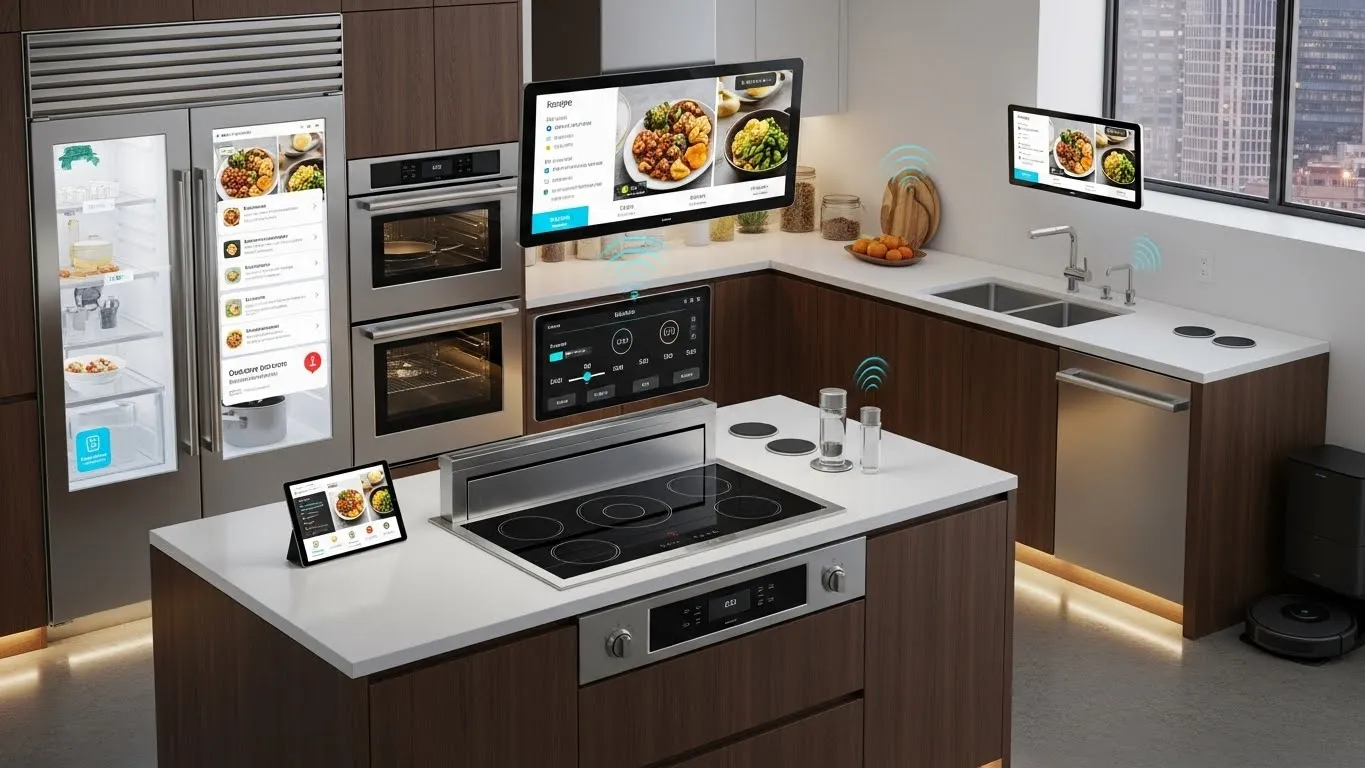
The kitchen, often the heart of the home, benefits immensely from smart integration. Smart refrigerators can track inventory and suggest recipes, while smart ovens can preheat remotely. In entertainment, smart TVs, soundbars, and streaming devices create immersive experiences. Voice commands can effortlessly switch between movies, music, or even control other smart devices, making your living room a true multimedia hub. From my personal experience, integrating smart speakers with entertainment systems creates a truly seamless audio experience throughout the entire home.
Boosting Home Security and Peace of Mind
Beyond convenience, smart home solutions offer robust security features that provide residents with genuine peace of mind. The ability to monitor your home remotely and receive instant alerts transforms how we protect our loved ones and possessions. This aspect is a critical component when exploring smart home solutions for enhanced daily living.
Advanced Surveillance and Access Control
Smart security cameras, both indoor and outdoor, offer high-definition video feeds, motion detection, and even facial recognition. These systems can send real-time alerts to your smartphone, allowing you to view live footage or review recordings. Smart locks, on the other hand, provide keyless entry, grant temporary access to visitors, and notify you of who enters and exits your home. This level of control is invaluable for busy families or those who travel frequently.
Proactive Safety Features
Smart homes also excel in proactive safety. Integrated smoke and carbon monoxide detectors can not only alert you to dangers but also trigger other smart devices, such as unlocking doors for emergency services or turning on lights to aid evacuation. Flood sensors can detect leaks early, preventing costly water damage. These systems act as a vigilant guardian, protecting your home even when you're not there. A 2024 report by the Smart Home Safety Alliance highlighted that homes with integrated smart safety systems experienced a 30% reduction in property damage from common household incidents compared to those without.
Sustainable Living Through Smart Energy Management
Environmental consciousness is a growing concern, and smart home solutions play a significant role in promoting sustainable living. By intelligently managing energy consumption, these systems help reduce carbon footprints and lower utility bills. This is a key benefit often highlighted when exploring smart home solutions for enhanced daily living.
Optimizing Energy Consumption
Smart plugs allow you to monitor and control the energy usage of individual appliances, turning them off remotely or on a schedule. Smart blinds can automatically adjust to sunlight, reducing the need for air conditioning in summer and heating in winter. These small, incremental changes, when combined across an entire home, lead to substantial energy savings. Industry experts predict that widespread adoption of smart energy management could reduce residential energy consumption by up to 15% annually.
Future Trends in Smart Home Integration
The smart home landscape is continuously evolving, with exciting new technologies on the horizon. These innovations promise even greater integration and intelligence, further enhancing our daily lives.
AI and Machine Learning in Smart Homes
Artificial intelligence (AI) and machine learning (ML) are set to revolutionize smart homes by enabling more predictive and personalized experiences. Imagine a home that learns your routines, anticipates your needs, and adjusts settings without explicit commands. AI could optimize energy usage based on weather forecasts, predict appliance maintenance needs, or even personalize entertainment recommendations based on mood. This level of proactive intelligence represents the next frontier.
The Rise of Health and Wellness Integration
Another significant trend is the integration of health and wellness monitoring into smart home ecosystems. Devices capable of tracking sleep patterns, air quality, and even vital signs could provide valuable insights into personal well-being. Smart beds, air purifiers, and even bathroom mirrors with health sensors are emerging, creating a home environment that actively supports a healthier lifestyle. Data from the 2023 Consumer Electronics Show (CES) insights indicated a strong push towards health-focused smart home devices, demonstrating a clear market demand.
Frequently Asked Questions
What are the primary benefits of smart home solutions?
The main benefits include unparalleled convenience through automation, enhanced home security with advanced monitoring and access control, and significant energy efficiency leading to cost savings. Smart homes also offer greater control over your environment, personalized comfort, and the ability to manage your home remotely, providing peace of mind whether you're home or away.
Is smart home technology difficult to install?
While some advanced systems may require professional installation, many modern smart home devices are designed for easy, DIY setup. Most devices come with user-friendly apps that guide you through the installation process step-by-step. Compatibility between devices is improving, and many systems offer modular expansion, allowing you to start small and gradually build your smart home ecosystem at your own pace.
How do smart homes contribute to energy savings?
Smart homes contribute to energy savings by providing intelligent control over heating, cooling, lighting, and appliances. Smart thermostats learn your habits and optimize temperature settings, while smart lighting can be scheduled or automatically adjusted based on occupancy and natural light. Smart plugs monitor and cut power to idle devices, preventing "vampire drain,"