Connected Device Integration: Building a Unified Smart Home Ecosystem
Connected Device Integration: Building a Unified Smart Home Ecosystem
The dream of a truly connected home, where devices seamlessly communicate and automate tasks, is rapidly becoming a reality. At its core, this vision relies on connected device integration, the crucial process of enabling different smart gadgets to work in harmony. Gone are the days of siloed apps and complex setups; a unified smart home ecosystem offers unparalleled convenience, efficiency, and a glimpse into the future of living. This article explores the fundamental principles, benefits, challenges, and future of building such an integrated environment, focusing on how to create a cohesive and intelligent living space.
Key Takeaways:
- Unified Control: Manage all your smart devices from a single interface.
- Enhanced Automation: Create complex routines and scenarios for effortless living.
- Improved Efficiency: Optimize energy consumption and daily tasks.
- Future-Proofing: Adapt your home to new technologies and devices.
- Security & Privacy: Understand the implications of integrated systems.
The Power of a Unified Smart Home Ecosystem
A smart home ecosystem isn't just about having a collection of smart devices; it's about how they interact. Imagine waking up to your smart blinds gently opening, your preferred news briefing playing softly, and your coffee maker brewing your morning cup, all triggered by a single command or schedule. This is the promise of effective connected device integration. It transforms individual smart gadgets into a collaborative network, working towards a common goal: simplifying your life.
The core value proposition of a unified smart home lies in its ability to offer centralized control and intelligent automation. Instead of juggling multiple apps, you can interact with your entire home through a single hub, voice assistant, or smartphone application. This not only streamlines operation but also unlocks sophisticated automation possibilities that were previously unattainable.
Why Invest in Connected Device Integration?
- Convenience: Control lighting, temperature, security, entertainment, and kitchen appliances with ease.
- Energy Savings: Optimize heating, cooling, and lighting schedules to reduce waste.
- Enhanced Security: Integrate cameras, sensors, and locks for comprehensive home monitoring.
- Comfort and Lifestyle: Automate routines that enhance daily living, from morning wake-ups to evening wind-downs.
- Accessibility: Assist individuals with mobility challenges by automating tasks and controls.
Understanding the Pillars of Connected Device Integration
Building a successful smart home ecosystem hinges on understanding the fundamental technologies and protocols that enable devices to communicate. This involves a combination of hardware, software, and network infrastructure working in concert.
1. Communication Protocols: The Language of Smart Devices
Devices communicate using various protocols, each with its strengths and weaknesses. The most common include:
- Wi-Fi: Ubiquitous and high bandwidth, suitable for devices requiring constant internet connectivity and data transfer, like smart TVs or security cameras. However, it can be power-hungry for battery-operated devices.
- Bluetooth: Low power and cost-effective, ideal for direct device-to-device communication or connecting to a central hub over short distances, such as smart locks or wearable tech.
- Zigbee & Z-Wave: Low-power, mesh networking protocols specifically designed for smart home devices. They create robust networks where devices can relay signals, extending range and reliability. These are excellent for sensors, switches, and lights.
- Thread: A newer, IP-based wireless networking protocol built for the IoT. It’s low-power, secure, and designed for scalability, forming a mesh network similar to Zigbee but with native IP connectivity.
The ability for these different protocols to interoperate is crucial for comprehensive smart home device integration. This is where ecosystems and hubs play a vital role.
2. Smart Home Hubs and Controllers: The Brains of the Operation
A smart home hub acts as a central command center, bridging the gap between different devices and protocols. It allows you to:
- Connect Diverse Devices: A hub can translate communications between devices using Wi-Fi, Zigbee, Z-Wave, and more, ensuring they can interact.
- Create Automations: Set up "scenes" or routines, like "Movie Night," which dims the lights, closes blinds, and turns on the TV, all with a single command.
- Remote Access: Control your home from anywhere in the world via a smartphone app.
- Voice Control Integration: Connect with virtual assistants like Amazon Alexa, Google Assistant, or Apple's Siri.
Examples of popular hubs include Samsung SmartThings, Hubitat, and Apple HomeKit (which relies on an Apple TV or HomePod as a hub).
3. Platform Compatibility: The Ecosystem Approach
Beyond protocols and hubs, platform compatibility is paramount. Major players like Google Home, Amazon Alexa, and Apple HomeKit have created their own ecosystems. Devices designed to work within these platforms often offer the most seamless integration. When choosing smart devices, look for "Works with Alexa," "Works with Google Assistant," or "Works with Apple HomeKit" badges.
Building Your Unified Smart Home: Practical Steps
Embarking on the journey to a connected home can seem daunting, but by approaching it strategically, you can build a robust and user-friendly ecosystem.
1. Define Your Goals and Priorities
Before purchasing any devices, consider what you want your smart home to achieve.
- Convenience Focused: Do you want to automate lighting and climate control?
- Security Focused: Are smart locks, cameras, and alarms your priority?
- Entertainment Focused: Do you want integrated audio-visual systems?
- Kitchen Focused: Are smart appliances that streamline cooking and meal prep your main interest?
Understanding your primary needs will guide your device selection and integration strategy.
2. Choose a Central Ecosystem or Hub
Selecting a primary ecosystem (e.g., Google Home, Alexa) or a dedicated hub is a critical first step. This choice will influence the range of devices you can easily integrate. Many users opt for a voice assistant-based ecosystem for its user-friendliness.
3. Start Small and Expand
Don't try to automate your entire home overnight. Begin with a few key devices that address your most pressing needs.
- Smart Lighting: Easy to install and offers immediate benefits in convenience and ambiance.
- Smart Thermostat: Provides energy savings and climate control.
- Smart Speaker/Display: Serves as your primary voice control interface and hub.
Once you're comfortable, you can gradually add more devices, ensuring they are compatible with your chosen ecosystem.
4. Prioritize Interoperability
When selecting new devices, always check their compatibility. A device might be excellent on its own, but if it can't communicate with your existing system, it won't contribute to a unified ecosystem. Look for certifications like Matter, an emerging standard designed to improve interoperability between smart home devices across different brands and ecosystems.
5. Secure Your Network
As you connect more devices, network security becomes increasingly important.
- Strong Passwords: Use complex, unique passwords for your Wi-Fi network and all smart device accounts.
- Guest Network: Consider setting up a separate guest Wi-Fi network for your smart devices to isolate them from your main network.
- Regular Updates: Keep your router firmware and all smart device software updated to patch security vulnerabilities.
Differentiating Your Smart Home Experience
While many smart homes offer basic automation, truly advanced connected device integration allows for unique and personalized experiences.
Unique Insight: Proactive Home Management
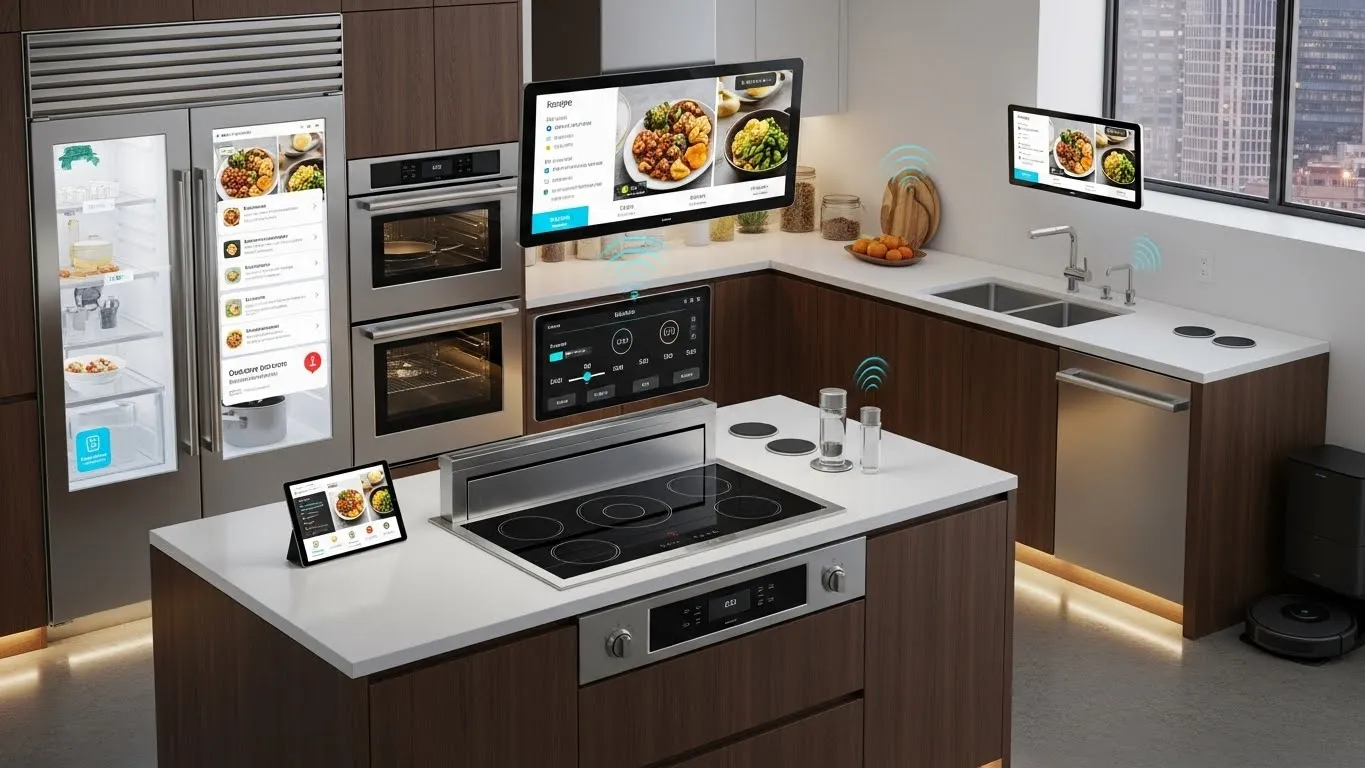
Beyond reacting to commands, a mature smart home ecosystem can become proactive. For instance, your smart refrigerator could alert you when you're low on essential items and automatically add them to your shopping list or even place an order if you've authorized it. Your smart oven might suggest recipes based on the ingredients detected inside and then preheat itself accordingly. This moves from simple control to intelligent assistance.
Latest Industry Trend: The Rise of Matter
The Matter standard is a significant development in smart home device integration. Developed by the Connectivity Standards Alliance (formerly the Zigbee Alliance), Matter aims to create a single, unified protocol that allows devices from different manufacturers to work together seamlessly. This significantly reduces compatibility headaches and empowers consumers to choose devices based on features and price rather than strict ecosystem lock-in. As more devices become Matter-certified, building a truly interoperable smart home will become much simpler. A report from Statista in late 2024 indicated strong industry adoption forecasts for Matter.
Expert Opinion and Real-World Impact
"The future of smart homes isn't about individual gadgets; it's about the intelligence and seamless interaction between them," states Dr. Anya Sharma, a leading IoT researcher. "We're seeing a shift from 'smart' devices to 'intelligent' environments that anticipate our needs and adapt to our lifestyles."
Consider a real-world case study from a recent smart home installation report published in Smart Home Magazine (2025 edition): A family integrated their smart kitchen appliances with their home security system. When the smoke alarm triggered, not only did the security cameras activate, but the smart oven automatically shut off, and the smart exhaust fan turned on to high, a testament to advanced connected device integration.
Frequently Asked Questions (FAQ)
Q1: What is the biggest challenge in connected device integration? A1: The primary challenge remains interoperability. Devices often use different communication protocols and require proprietary hubs or apps. The emerging Matter standard aims to solve this by creating a universal language for smart home devices.
Q2: How can I ensure the security of my connected smart home? A2: Robust security involves strong Wi-Fi passwords, creating a separate network for IoT devices, keeping all software updated, and enabling multi-factor authentication for device accounts whenever possible.
Q3: Which smart home ecosystem is best for beginners? A3: For beginners, ecosystems like Amazon Alexa or Google Home are often recommended due to their user-friendly interfaces, wide device compatibility, and extensive voice control capabilities.
Q4: Can I integrate smart kitchen appliances into my existing smart home? A4: Yes, many smart kitchen appliances are designed with integration in mind. Look for models compatible with your chosen smart home platform (e.g., Alexa, Google Home) or those supporting the Matter standard.
Conclusion: Embracing the Unified Smart Home
Building a unified smart home ecosystem through effective connected device integration is no longer a futuristic fantasy but an accessible reality. By understanding the underlying technologies, planning strategically, and prioritizing compatibility, you can transform your living space into an intelligent, responsive, and highly efficient environment. From optimizing energy usage in your smart kitchen appliances to creating automated routines that simplify your daily life, the benefits of a cohesive smart home are profound.
The journey towards a truly connected home is ongoing, with new technologies and standards like Matter constantly emerging. By staying informed and making informed choices, you can ensure your smart home remains at the forefront of innovation, providing comfort, convenience, and security for years to come.
Ready to take the next step? Explore smart home starter kits that offer seamless integration or dive deeper into specific device categories. Share your smart home integration success stories or challenges in the comments below! Subscribe to our newsletter for the latest updates on smart home technology and trends.
For those interested in further exploration, consider reading articles on smart home security best practices or the benefits of voice-controlled home automation.