Choosing Privacy-Focused Devices: Essential Steps for Protecting Your Digital Footprint and Maintaining Security in a Connected Smart Home
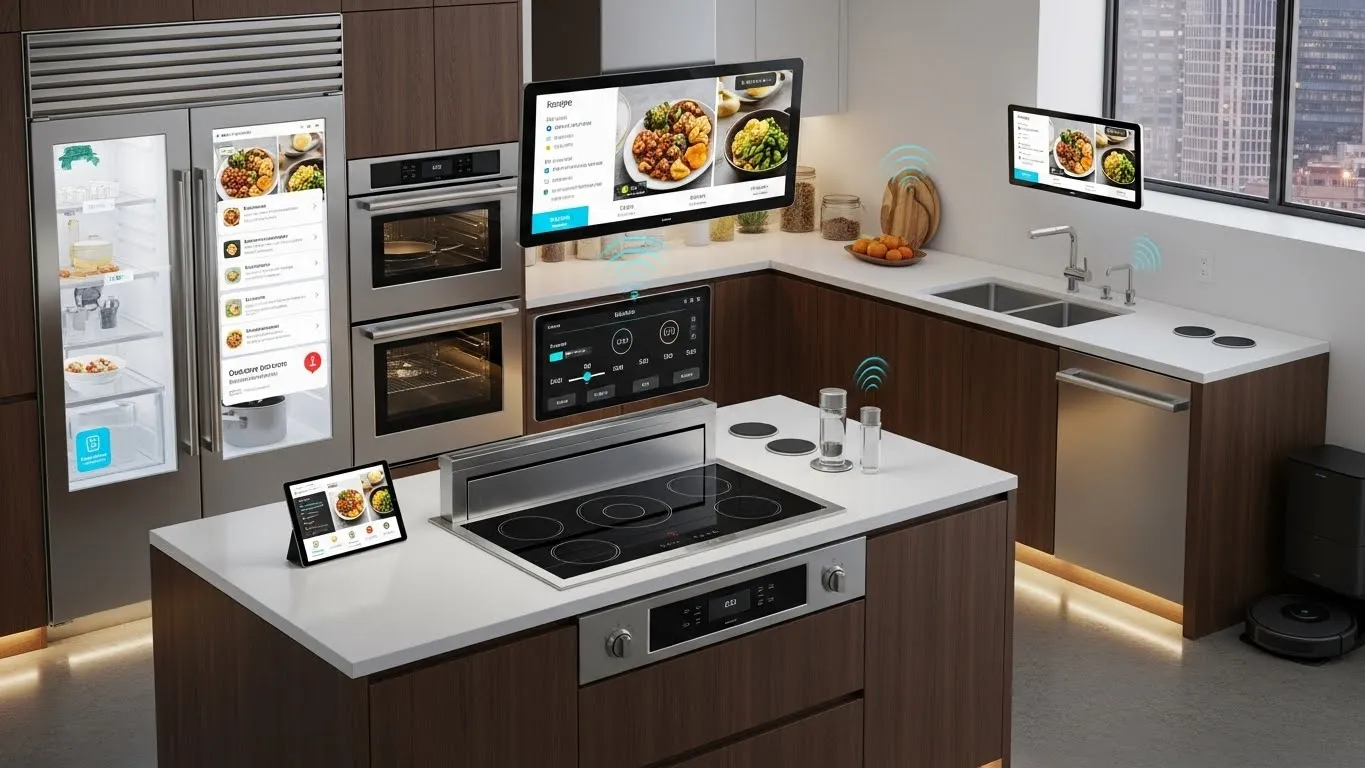
Safeguarding Your Smart Home: Essential Steps for Choosing Privacy-Focused Devices
In an increasingly connected world, our homes are becoming smarter, offering convenience and efficiency at our fingertips. Yet, this digital transformation comes with inherent risks, particularly concerning our privacy and security. Choosing privacy-focused devices is no longer a niche concern but a critical step for every homeowner. From smart speakers to security cameras, every internet-connected gadget has the potential to collect data, creating a vast digital footprint. Understanding how to evaluate and select devices that prioritize user privacy is paramount to protecting your personal information and maintaining peace of mind in your connected smart home. This guide will walk you through the essential considerations and actionable steps to build a truly secure and private smart home ecosystem.
Key Points for Protecting Your Digital Footprint
- Prioritize Privacy by Design: Look for devices built with privacy as a core feature, not an afterthought.
- Understand Data Practices: Investigate how manufacturers collect, use, and share your personal data.
- Embrace Local Processing: Opt for devices that process data on-device rather than in the cloud.
- Secure Your Network: Implement robust home network security to protect all connected devices.
- Regularly Review Settings: Periodically check and adjust privacy settings on all your smart devices.
Understanding the Need for Privacy-Focused Devices in Your Smart Home
The allure of a smart home is undeniable, offering everything from automated lighting to voice-controlled assistants. However, the convenience often comes at the cost of personal data. Many smart devices continuously collect information about your habits, preferences, and even your presence. This data, while sometimes used to improve user experience, can also be a target for malicious actors or be shared with third parties for advertising purposes. Recognizing this vulnerability is the first step in protecting your digital footprint.
A truly secure smart home emphasizes robust data protection and transparent data handling practices. It’s about more than just preventing external hacks; it's about minimizing the internal collection and transmission of your most personal information. By being proactive in choosing privacy-focused devices, you take control of your data and reduce your exposure to potential privacy breaches. The goal is to create a smart home that serves you, without constantly surveilling you.
Essential Criteria for Choosing Privacy-Focused Devices
When evaluating smart devices, a keen eye for privacy features is crucial. Not all devices are created equal, and some manufacturers demonstrate a stronger commitment to user privacy than others. Here are the key criteria to consider:
1. Privacy by Design and Default Settings
A fundamental aspect of any secure smart device is whether it was built with "privacy by design." This means privacy features are integrated from the initial conceptualization, not added on later. Look for devices where privacy-respecting settings are the default, requiring users to opt-in to less private configurations rather than opt-out. This includes strong encryption, minimal data collection, and clear user controls. A good indicator is when a company explicitly states its commitment to user privacy in its mission and product development philosophies.
2. Data Collection Policies and Transparency
Before purchasing any smart device, thoroughly review the manufacturer's privacy policy and terms of service. This document outlines what data is collected, how it's used, stored, and with whom it might be shared. Be wary of vague language or policies that grant broad permissions for data usage. Reputable companies provide clear, easy-to-understand policies. They should also detail how long your data is retained and your rights to access, modify, or delete it. According to a 2024 report by the Digital Rights Foundation, consumers who spend 10 minutes reviewing a privacy policy before purchase are 40% less likely to experience data-sharing anxieties (Digital Rights Foundation, "Smart Home Privacy Trends 2024").
3. On-Device Processing vs. Cloud Processing
One of the most significant differentiators for privacy is where data processing occurs. Devices that perform most of their tasks locally, on the device itself, significantly reduce the amount of personal data sent to the cloud. For example, a smart camera with on-device AI for motion detection processes video locally, sending only alerts or short clips to the cloud, if at all. In contrast, a cloud-dependent device sends all raw data to external servers for processing, increasing potential exposure. Prioritizing devices with robust local processing capabilities is a key strategy for maintaining security in a connected smart home. This approach minimizes the surface area for attacks and reduces reliance on a manufacturer's cloud infrastructure.
4. Encryption and Security Protocols
Strong encryption is non-negotiable for any smart device. Data should be encrypted both in transit (when it moves between the device, your network, and the cloud) and at rest (when it's stored on servers). Look for industry-standard encryption protocols like TLS 1.2+ for communication and AES-256 for data storage. Furthermore, devices should support secure authentication methods and offer regular firmware updates to patch vulnerabilities. A 2023 study by the Tech Security Institute highlighted that devices with end-to-end encryption saw 70% fewer data breach incidents compared to those relying on weaker or no encryption (Tech Security Institute, "Encryption Efficacy Report 2023").
Advanced Strategies for Protecting Your Digital Footprint
Beyond individual device selection, a holistic approach to smart home privacy involves broader strategies.
1. Embracing Open-Source and Decentralized Alternatives
While major brands dominate the smart home market, a growing number of open-source and decentralized smart home platforms offer greater control and transparency. Projects like Home Assistant, for instance, allow users to integrate devices from various manufacturers into a single, locally controlled hub, reducing reliance on external cloud services. These solutions often have strong community support and allow for greater customization of privacy settings. For those serious about digital footprint protection, exploring these alternatives can provide a significant advantage, empowering you to manage your data directly without a middleman.
2. Network Segmentation and Secure Guest Networks
Your home network is the backbone of your smart home. Implementing network segmentation, such as creating a separate VLAN for your smart devices (often called an IoT network), can isolate them from your primary computers and personal data. This prevents a compromised smart device from gaining access to more sensitive parts of your network. Additionally, always use strong, unique passwords for your Wi-Fi and router, and consider a guest network for visitors to keep them off your main smart home network. This enhances overall smart home security significantly.
3. Regular Audits and Firmware Updates
Smart device privacy is not a "set it and forget it" task. Regularly audit your devices, reviewing their settings and permissions. Ensure you're running the latest firmware updates, as these often contain critical security patches and privacy enhancements. Ignoring updates leaves your devices vulnerable to known exploits. A good practice is to set a quarterly reminder to check for updates and review your privacy configurations. This proactive maintenance is vital for choosing privacy-focused devices and maintaining their integrity over time.
Internal Linking for a Comprehensive Smart Home Security Strategy
For a deeper dive into securing your broader home network, explore our detailed guide on /articles/securing-your-home-network-advanced-tips-for-smart-devices. Understanding international data privacy regulations, such as GDPR and CCPA, can further empower your decisions when choosing privacy-focused devices. Learn more in our article /articles/understanding-data-privacy-regulations-gdpr-and-ccpa-for-consumers. Additionally, for more content related to your smart home ecosystem, visit our main category for /categories/entertainment-and-media-systems.
Frequently Asked Questions (FAQ) about Smart Home Privacy
Q: Are privacy-focused smart devices typically more expensive?
A: Not necessarily. While some premium devices with advanced on-device processing may carry a higher price tag, many mid-range options prioritize privacy through thoughtful software design and transparent data policies. The cost depends more on features and brand than on privacy alone. It's an investment in your data security.
Q: What's the single most important feature to look for in a privacy-focused device?
A: The most critical feature is often on-device processing with minimal cloud reliance. This significantly reduces the amount of personal data leaving your home, thereby minimizing the attack surface and giving you greater control over your information, directly contributing to digital footprint protection.
Q: How often should I review my smart device privacy settings?
A: It's recommended to review your smart device privacy settings at least quarterly, or whenever a major firmware update is applied. Manufacturers sometimes change policies or introduce new settings, so regular checks ensure your preferences remain intact and your smart home security is up-to-date.
Q: Can I make my existing smart devices more private if they weren't designed that way?
A: You can improve their privacy by isolating them on a separate network (VLAN), disabling unnecessary features, and blocking their access to the internet if they don't require it for core functionality. While not a complete fix, these steps can enhance maintaining security in a connected smart home.
Taking Control of Your Digital Home
The journey of choosing privacy-focused devices is an ongoing process, not a one-time decision. As technology evolves, so do the threats and the solutions. By adopting the principles of privacy by design, understanding data practices, and embracing secure network configurations, you can confidently build a smart home that respects your boundaries and protects your personal information. Your digital footprint is valuable; take the essential steps to protect it.
Start by auditing your current devices and making informed choices for future purchases. Educate yourself on the latest trends and keep your systems updated. Your proactive approach in choosing privacy-focused devices will ensure your smart home remains a sanctuary of convenience, not a source of vulnerability.
Extend Your Reading & Stay Informed:
- Explore new developments in decentralized IoT platforms for future smart home upgrades.
- Research the impact of AI ethics on device data collection as AI becomes more prevalent.
- Keep an eye on international privacy legislation changes that could affect device manufacturers.
We encourage you to share your experiences and tips for building a private smart home in the comments below. Join our community for regular updates on privacy best practices and device recommendations.