Beginner's Guide to Smart Home Automation and IoT
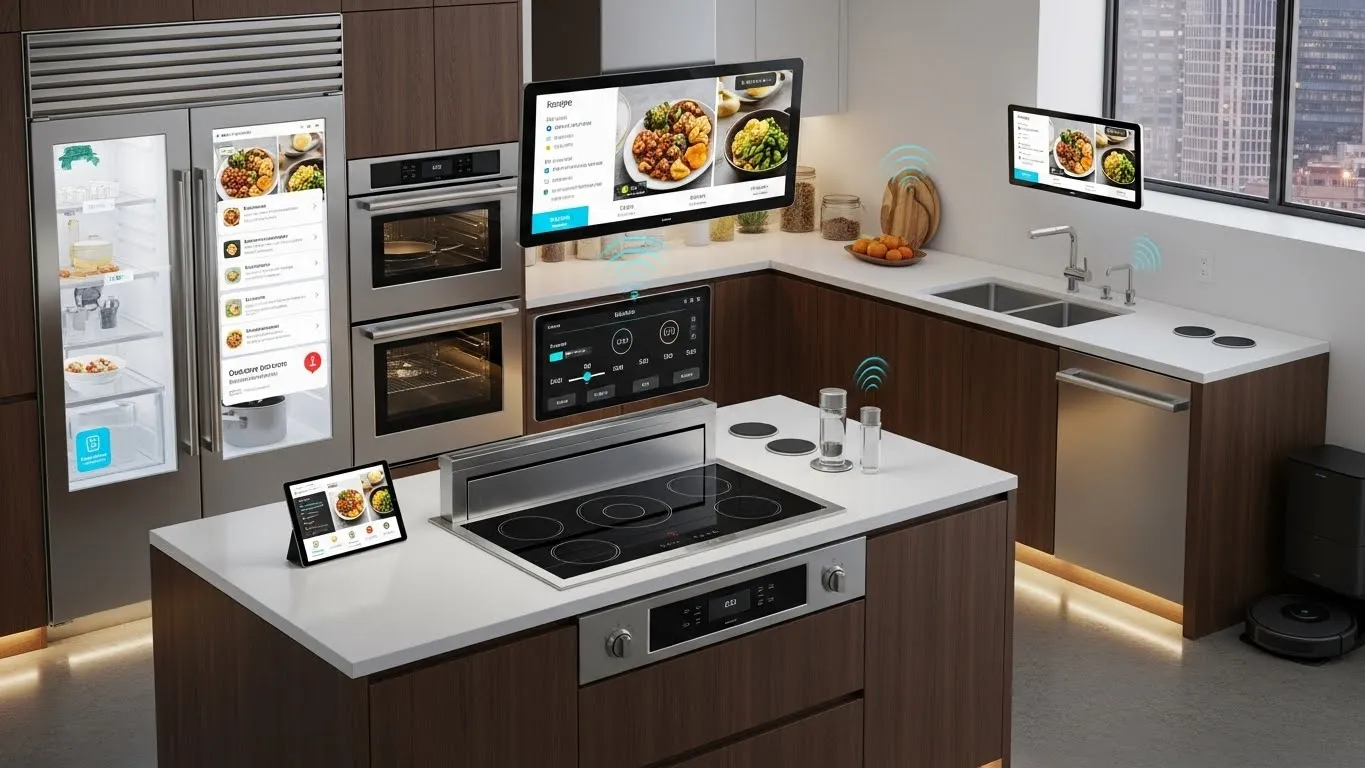
Beginner's Guide to Smart Home Automation and IoT
Welcome to the exciting world where your home anticipates your needs! Smart Home Automation and IoT (Internet of Things) are transforming how we live, offering unparalleled convenience, security, and efficiency. This guide is designed to demystify these technologies, providing a clear roadmap for anyone looking to embark on their smart home journey. From understanding core concepts to selecting your first devices, we'll cover everything you need to know to create a truly connected living experience.
Key Points:
- Smart Home Basics: Understand what smart home automation and IoT entail.
- Core Benefits: Discover how smart technology enhances daily life.
- Getting Started: Learn practical steps for setting up your smart home.
- Device Choices: Explore popular smart devices and their functionalities.
- Future-Proofing: Plan for a scalable and compatible smart home ecosystem.
Understanding Smart Home Automation and IoT
At its core, Smart Home Automation and IoT refers to the network of physical objects—"things"—embedded with sensors, software, and other technologies for the purpose of connecting and exchanging data with other devices and systems over the internet. In a smart home context, these "things" are your everyday appliances and devices, from light bulbs to thermostats, all communicating to make your home more responsive and intelligent.
This interconnectedness allows for automation, where devices perform actions based on predefined rules or triggers, often without direct human intervention. Imagine your lights turning on when you arrive home, or your thermostat adjusting to your preferred temperature before you wake up. This seamless integration is the hallmark of a truly smart home.
Why Embrace Smart Home Technology? The Benefits of Connected Living
Adopting smart home technology offers a multitude of advantages that significantly enhance daily life. The primary draw for many is the sheer convenience it provides. Imagine controlling all your devices from a single app or with simple voice commands. This level of control simplifies routines and frees up valuable time.
Beyond convenience, smart home automation systems are powerful tools for energy efficiency. Smart thermostats learn your preferences and optimize heating and cooling, while smart lighting can dim or turn off automatically when not needed. This can lead to noticeable savings on utility bills. Furthermore, enhanced home security is a major benefit, with smart cameras, doorbells, and locks offering real-time monitoring and remote access, providing peace of mind whether you're home or away. For more detailed insights into specific energy-saving strategies, explore our articles on sustainable smart living.
Getting Started with Your Smart Home Journey
Embarking on getting started with smart home technology doesn't have to be overwhelming. The first step is to identify your needs and priorities. Are you looking for better security, energy savings, or just more convenience? Your goals will guide your device choices.
Next, consider your ecosystem. Major players like Amazon Alexa, Google Home, and Apple HomeKit offer integrated platforms. Choosing one early can simplify device compatibility and management. A crucial differentiated point for beginners is to prioritize ecosystem compatibility and future-proofing your setup. Instead of buying random devices, research which brands and devices work well together within your chosen ecosystem. This avoids frustrating compatibility issues down the line and ensures your smart home can grow with you.
Choosing Smart Home Devices: Popular Options and Their Uses
The market for IoT devices is vast and continually expanding. Here are some popular categories that beginners often start with:
- Smart Lighting: Dimmable, color-changing bulbs (e.g., Philips Hue, Govee) controllable via app or voice. They can set ambiance or mimic occupancy for security.
- Smart Thermostats: Devices like Nest or Ecobee learn your schedule, optimize temperatures, and can be controlled remotely, significantly impacting energy consumption.
- Smart Security Cameras and Doorbells: Offer live video feeds, motion detection, and two-way audio (e.g., Ring, Arlo). They are vital for monitoring your home.
- Voice Assistants: Amazon Echo (Alexa), Google Nest Hub, and Apple HomePod act as central controllers, allowing voice commands for all connected devices.
- Smart Plugs: Turn any traditional appliance into a smart device, allowing remote control and scheduling for lamps, coffee makers, and more.
When making choosing smart home devices, a key consideration is interoperability standards. While proprietary ecosystems exist, newer standards like Matter (launched in late 2022) aim to simplify compatibility across different brands and platforms. This means a Matter-certified device should work seamlessly with any Matter-certified hub, regardless of the manufacturer. This is a significant trend making smart home setup much easier for new users. According to a Statista 2024 report, consumer awareness and adoption of Matter-certified devices are projected to increase by 40% in the next two years, indicating its growing importance.
Overcoming Common Smart Home Challenges
While the benefits are clear, new users might encounter challenges. Connectivity issues, often stemming from Wi-Fi signal strength or network congestion, are common. Ensuring a robust home network is paramount. Another concern is privacy and data security. Always choose reputable brands and understand their data handling policies. Regularly update device firmware to patch vulnerabilities.
Based on my experience, a common pitfall for beginners is "vendor lock-in." This occurs when you invest heavily in one brand's ecosystem, only to find it difficult or expensive to integrate devices from other brands later. To avoid this, I always recommend prioritizing devices that support open standards or are explicitly compatible with multiple ecosystems, especially with the rise of Matter. This provides greater flexibility and longevity for your smart home technology. For guidance on securing your network, refer to our articles on digital home security.
The Future of Smart Home Automation
The landscape of Smart Home Automation and IoT is constantly evolving. We're seeing advancements in AI-powered automation, where systems predict your needs with greater accuracy, and enhanced integration with health and wellness devices. The focus is shifting towards truly proactive homes that anticipate and adapt to occupants' lifestyles without constant input.
Frequently Asked Questions (FAQ)
Q: What is the difference between smart home and IoT? A: IoT (Internet of Things) is a broad concept referring to any physical object connected to the internet. A smart home is a specific application of IoT, where various IoT devices within a residence are interconnected and automated to provide convenience, security, and efficiency. Essentially, all smart home devices are IoT devices, but not all IoT devices are part of a smart home.
Q: Do I need a smart home hub to get started? A: Not always. Many modern smart devices can connect directly to your home Wi-Fi and be controlled via their respective apps or a voice assistant. However, a smart home hub (like a SmartThings Hub or Homey) can offer more advanced automation capabilities, better local control, and improved interoperability between devices from different brands, especially for larger setups.
Q: Is smart home technology secure? A: The security of smart home technology depends largely on the devices you choose and your practices. Reputable brands prioritize security with encryption and regular firmware updates. Users should always use strong, unique passwords, enable two-factor authentication, and keep their device software updated. Being mindful of privacy settings is also crucial for a secure connected living experience.
Q: How much does it cost to set up a smart home? A: The cost varies widely depending on the scale and complexity of your setup. You can start with a single smart bulb for under $20 or invest thousands in a comprehensive whole-home system. Many beginners start with a few key devices like smart plugs or a voice assistant, gradually expanding their home automation systems over time as their needs and budget allow.
Conclusion: Your Journey to a Smarter Home
Stepping into the world of Smart Home Automation and IoT is an exciting endeavor that promises to simplify your life and enhance your living space. By understanding the core concepts, planning your ecosystem carefully, and choosing devices that align with your needs, you can build a smart home that truly works for you. Remember, the goal is to create a more convenient, efficient, and secure environment, tailored to your unique lifestyle.
Ready to transform your home? Start by identifying one area you'd like to automate, perhaps lighting or security, and explore the options. Share your smart home experiences in the comments below, or subscribe to our newsletter for the latest updates and tips. For further exploration, consider delving into advanced topics like custom automation routines or integrating smart home tech with renewable energy sources.
Timeliness and Update Frequency: This guide reflects