Automate Your Home Lighting: Creating Dynamic Routines for Energy Savings and Comfort
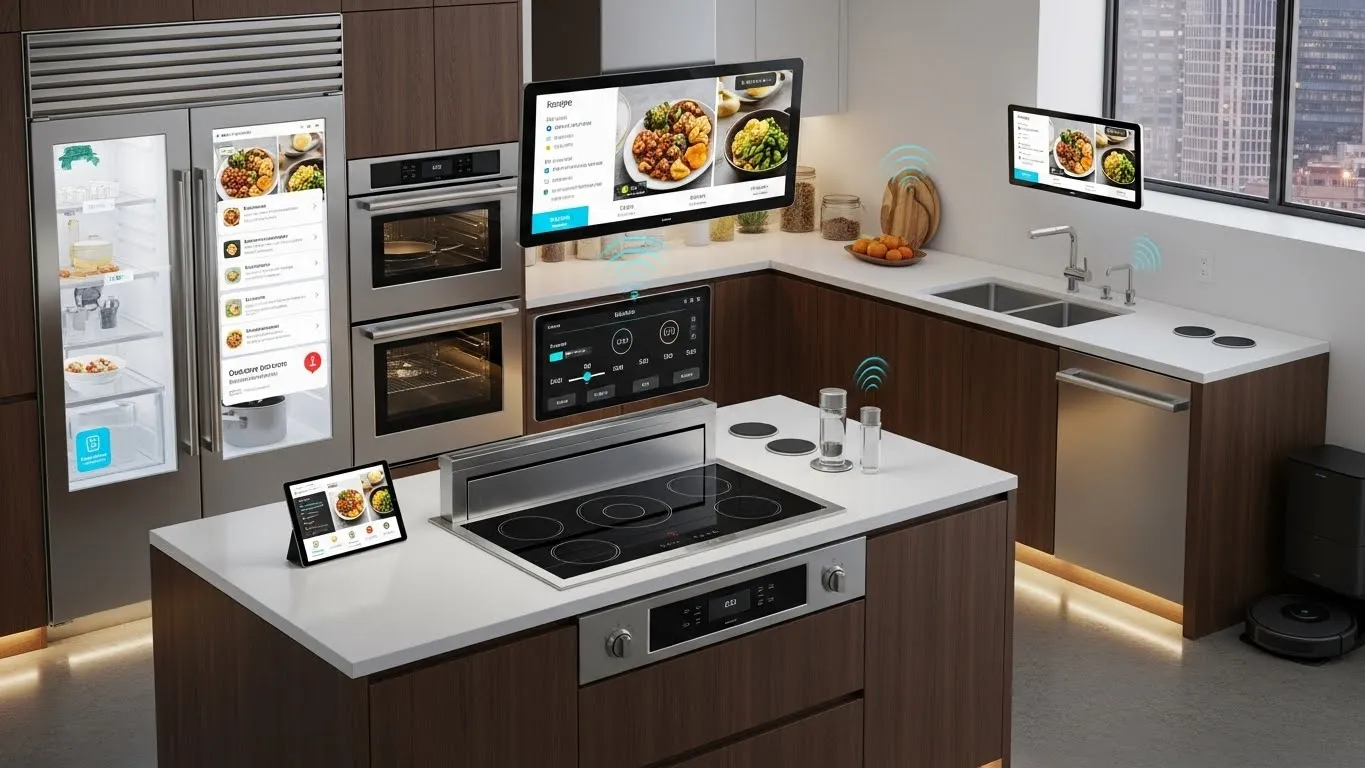
Automate Your Home Lighting: Creating Dynamic Routines for Energy Savings and Comfort
In today's fast-paced world, our homes are becoming increasingly intelligent, and one of the most impactful upgrades you can make is to automate your home lighting. Beyond mere convenience, creating dynamic routines for your lighting system unlocks significant energy savings and comfort. Imagine lights that greet you upon arrival, dim automatically as evening falls, or even simulate occupancy while you're away – all without lifting a finger. This guide will walk you through the journey of transforming your home's illumination from a manual chore into an intelligent, responsive, and energy-efficient experience.
Key Points for Smart Lighting Automation:
- Energy Efficiency: Drastically reduce electricity bills through optimized usage.
- Enhanced Comfort: Personalize your ambiance for every mood and activity.
- Seamless Integration: Connect with voice assistants and other smart devices.
- Security Boost: Deter intruders by simulating occupancy when you're away.
- Improved Well-being: Support natural circadian rhythms with adaptive lighting.
Unlocking the Power of Dynamic Lighting Routines
The core of effective smart lighting lies in dynamic routines. These are not just simple on/off schedules; they are intelligent sequences that respond to various triggers – time of day, motion, ambient light levels, or even your voice commands. By setting up these sophisticated patterns, you can automate your home lighting to adapt fluidly to your lifestyle, ensuring optimal illumination precisely when and where it's needed. This level of responsiveness moves beyond basic smart bulbs to create a truly intuitive environment.
Understanding Smart Lighting Technology
Before diving into routine creation, it's essential to grasp the underlying technologies. Modern smart lighting primarily utilizes LED technology for efficiency and longevity, integrated with communication protocols like Zigbee, Z-Wave, Wi-Fi, or Bluetooth. These systems often connect to a central hub or directly to your home network, allowing control via apps, remote switches, and importantly, Voice Assistant Integration. Choosing the right system depends on your home's size, existing smart devices, and desired level of complexity. The evolution of these technologies has made smart lighting more accessible and powerful than ever before.
Planning Your Automated Lighting Setup
Successful automation begins with careful planning. Consider the specific areas of your home you want to automate first. High-traffic areas like living rooms, kitchens, and entryways are excellent starting points due to their frequent usage. Think about the activities that occur in each space – do you need bright task lighting for cooking, soft ambient light for relaxing, or gradual sunrise simulation for waking up? Mapping these needs helps define the types of dynamic routines you'll want to implement. This foresight prevents common pitfalls and ensures a system that genuinely enhances daily living.
Essential Components for Smart Lighting Automation:
- Smart Bulbs/Fixtures: Replace existing bulbs or install new smart fixtures.
- Smart Hub/Bridge: Often required for Zigbee/Z-Wave devices, centralizing control.
- Voice Assistant Device: Amazon Alexa, Google Assistant, Apple HomeKit for voice control.
- Sensors: Motion, occupancy, or ambient light sensors for advanced automation.
- Smart Switches/Dimmers: Offer traditional control alongside smart capabilities.
Maximizing Energy Savings with Smart Lighting
One of the most compelling reasons to automate your home lighting is the potential for significant energy savings. Traditional lighting systems often remain on unnecessarily, wasting electricity. Smart lighting, through its precise control and automation capabilities, eliminates this waste, leading to a noticeable reduction in your utility bills. According to a 2024 report by the Smart Home Energy Alliance, automated lighting systems can reduce energy consumption by up to 30% when properly configured with dynamic routines.
Implementing Presence and Motion Detection
A cornerstone of energy-efficient lighting is using presence and motion sensors. Instead of lights staying on indefinitely, they can be configured to activate only when someone enters a room and switch off automatically after a period of inactivity. This is particularly effective in transient areas like hallways, bathrooms, and utility rooms. For instance, a routine could dictate that the hallway light turns on to 50% brightness when motion is detected between 10 PM and 6 AM, ensuring safety without full illumination.
Utilizing Ambient Light Sensors and Schedules
Beyond motion, integrating ambient light sensors allows your lighting to adjust based on natural light levels. On a bright day, lights might remain off or dim, while on a cloudy day or as evening approaches, they gradually brighten. Combining this with scheduled routines ensures that lights never turn on unnecessarily during daylight hours. For example, a routine might ensure outdoor lights activate at sunset and dim to 20% by midnight, conserving power while maintaining security. This intelligent adaptation is key to optimizing lighting for cost-efficiency.
Advanced Energy Monitoring and Reporting
Many advanced smart lighting systems offer energy monitoring features, allowing you to track electricity consumption in real-time. This data provides valuable insights into your usage patterns and helps identify areas for further optimization. By analyzing these reports, you can refine your dynamic routines to maximize energy savings, making informed decisions about brightness levels and activation times. Such features underscore the practical, quantifiable benefits of investing in smart home technology.
Enhancing Home Comfort Through Automated Lighting
Beyond utility, automate your home lighting for unparalleled comfort. Dynamic routines allow you to craft the perfect ambiance for any occasion, transforming your living space to match your mood, activity, or time of day. This goes far beyond simple dimming, embracing aspects of wellness and personalized living. A study published in the Journal of Environmental Psychology in late 2023 highlighted the positive impact of dynamic lighting on occupant well-being and productivity, emphasizing the psychological benefits of a well-lit environment.
Creating Circadian Rhythm Lighting
One of the most innovative comfort features is circadian rhythm lighting. This involves programming your lights to mimic the natural cycle of the sun, emitting cooler, brighter light during the day to enhance alertness and gradually shifting to warmer, dimmer tones in the evening to promote relaxation and prepare for sleep. This approach supports your body's natural clock, potentially improving sleep quality and overall mood. Imagine waking up to a gentle, simulated sunrise, rather than a jarring alarm.
Personalized Scene Settings and Mood Lighting
Dynamic routines empower you to create "scenes" – predefined lighting configurations for specific activities or moods. A "Movie Night" scene might dim the main lights, turn on accent lights, and adjust color temperatures for immersive viewing. A "Reading" scene could brighten a specific lamp to optimal levels, while a "Relaxation" scene bathes the room in soft, warm hues. These personalized settings can be activated with a single voice command or tap, instantly transforming your environment for maximum comfort.
Integrating with Other Smart Home Systems
The true magic of enhanced comfort comes from integrating your automated lighting with other smart home systems. Imagine your lights brightening automatically when your smart coffee maker starts, or dimming when you arm your integrated smart home security systems for the night. Combining lighting with climate control, for instance, by linking your smart thermostat to dim lights as you adjust the temperature for sleep, creates a truly cohesive and comfortable living experience. This interconnectedness is where modern smart homes truly shine.
Creating Your First Dynamic Lighting Routines
Ready to dive in? Here's a practical guide to setting up your first dynamic routines. Most smart lighting apps (like Philips Hue, Lutron Caséta, or apps for smart platforms like Google Home and Amazon Alexa) offer intuitive interfaces for routine creation.
Step-by-Step Routine Configuration:
- Define the Trigger: What event will start your routine?
- Time-based: "At 6:30 AM every weekday."
- Sensor-based: "When motion is detected in the kitchen."
- Device-based: "When the front door opens."
- Voice command: "Alexa, good morning."
- Select the Action: What should your lights do?
- Turn on/off: Specify which lights or groups.
- Set brightness: From 1% to 100%.
- Set color/temperature: Warm white, cool white, or specific colors.
- Apply a scene: Recall a predefined mood setting.
- Transition effects: Fade in/out over a set duration.
- Add Conditions (Optional but Recommended): When should the routine not run?
- Time windows: "Only between sunset and sunrise."
- Presence: "Only if nobody is home."
- Device state: "Only if the TV is off."
- Conditions add intelligence, preventing unwanted activations and saving energy.
- Test and Refine: Run your routine and make adjustments. Pay attention to timing, brightness, and overall impact. A routine might need several iterations to feel just right.
Differentiated Content: Adaptive Routines and Predictive Lighting
While traditional dynamic routines are powerful, the latest trend is towards adaptive and predictive lighting. This involves AI algorithms learning your habits and external factors (weather forecasts, calendar events) to adjust lighting proactively. For instance, instead of just dimming at 10 PM, lights might subtly brighten on a particularly dark, rainy morning to counteract gloom, or pre-emptively lower levels if your calendar indicates a "wind-down" period. Industry forecasts from IoT Solutions Group in early 2025 predict a rapid increase in AI-driven predictive lighting solutions, moving beyond simple IF-THEN statements to truly intelligent environments. This advanced automation offers a level of seamlessness and responsiveness that static routines can't match, significantly enhancing both energy savings and comfort.
Frequently Asked Questions (FAQ)
What smart lighting system should I choose for dynamic routines?
The best system depends on your budget, desired features, and existing smart home ecosystem. Popular choices like Philips Hue offer excellent color and temperature control, while Lutron Caséta is renowned for its reliability and wired switch options. For broader integration, platforms like SmartThings or Home Assistant allow mixing and matching devices from various brands, giving you maximum flexibility for creating sophisticated dynamic routines.
How much energy can I truly save by automating my home lighting?
Real-world energy savings can be substantial, often ranging from 15% to 30% or even higher. This is achieved by ensuring lights are only on when needed, dimming them appropriately, and utilizing highly efficient LED technology. The actual savings depend on your starting point (e.g., replacing incandescent bulbs vs. already efficient LEDs) and how thoroughly you implement and optimize your dynamic routines.
Can automated lighting improve my sleep and overall well-being?
Absolutely. By implementing circadian rhythm lighting, which gradually shifts light color and intensity throughout the day to mimic natural sunlight, you can positively influence your body's sleep-wake cycle. Warmer, dimmer lights in the evening help promote melatonin production, leading to better sleep, while cooler, brighter light in the morning can boost alertness and mood, contributing to overall well-being and comfort.
Is setting up dynamic routines for smart lighting difficult?
Not at all! Most modern smart lighting platforms offer user-friendly apps with intuitive interfaces that guide you through routine creation. While simple routines can be set up in minutes, more complex, multi-trigger routines might take a bit more time to configure and fine-tune. With a little practice, you'll find it straightforward to create highly personalized and effective lighting automation.
Take Control of Your Home's Illumination Today!
Embracing smart lighting and creating dynamic routines is a transformative step for any modern home. It's an investment that pays dividends in energy savings and comfort, while also boosting security and supporting your well-being. Don't let your lighting be an afterthought – empower it to work for you, intelligently adapting to every moment.
Ready to revolutionize your home? Start by exploring available smart lighting kits and imagining the possibilities. Share your current lighting challenges in the comments below, or tell us about your favorite smart lighting routine! For more insights into optimizing your smart home, consider reading our guide on automating your home's climate with smart thermostat routines or diving deeper into advanced features within Voice Assistant Integration.
Future Expansion Topics:
- Advanced AI-driven predictive lighting strategies for truly seamless automation.
- Smart lighting solutions specifically designed for accessibility and elder care.
- Deep dives into integrating smart lighting with specific platforms like Apple HomeKit, Google Home, and Amazon Alexa.