Achieving Energy Efficiency: Utilizing Smart Home Automation Platforms for Optimal Power Consumption and Eco-Friendly Living
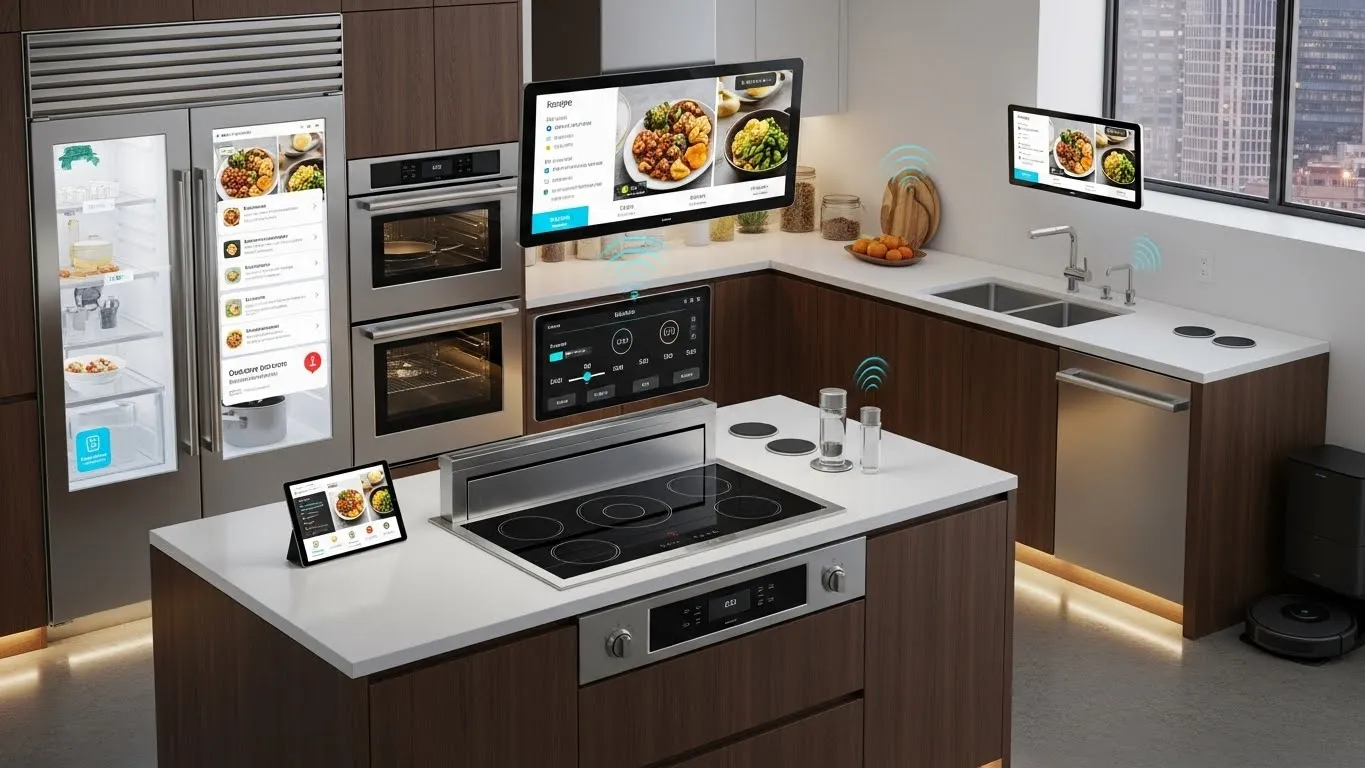
Achieving Energy Efficiency: Utilizing Smart Home Automation Platforms for Optimal Power Consumption and Eco-Friendly Living
In today's world, the dual goals of reducing household expenses and minimizing environmental impact are more pressing than ever. Achieving energy efficiency is no longer a luxury but a necessity, and smart home automation platforms offer a powerful solution. These innovative systems enable homeowners to take unprecedented control over their energy usage, moving beyond simple timers to intelligent, responsive management of electricity, heating, and cooling. By integrating various devices, smart homes can automate tasks, learn preferences, and provide real-time data, leading to optimal power consumption and a genuinely eco-friendly living environment. This guide explores how these platforms work, the key technologies involved, and advanced strategies for maximizing energy savings and contributing to a healthier planet.
Key Points:
- Significant Savings: Smart automation can reduce energy bills by 10-20% annually.
- Environmental Impact: Lower carbon footprint through reduced energy demand.
- Enhanced Convenience: Automated systems simplify daily routines and optimize comfort.
- Real-time Insights: Monitor energy use patterns to identify and address waste.
- Future-Proof Home: Adaptable platforms integrate new technologies for continuous improvement.
The Foundation of Energy Efficiency: Smart Home Automation Platforms
Smart home automation platforms serve as the central nervous system for your connected living space. They are the software and hardware ecosystems that allow diverse smart devices—from thermostats and lighting to appliances and security systems—to communicate and operate seamlessly. By creating custom rules, schedules, and reactions to various triggers, these platforms enable proactive energy management rather than reactive adjustments. The core value lies in their ability to monitor, analyze, and automate energy use, often adapting to user behavior and external conditions.
These platforms leverage technologies like Wi-Fi, Zigbee, and Z-Wave to establish a robust network within your home. They aggregate data from sensors and devices, presenting it in user-friendly interfaces on smartphones, tablets, or voice assistants. This holistic view of energy consumption empowers homeowners to make informed decisions and implement strategies that genuinely lead to optimal power consumption. The shift from manual control to intelligent automation is pivotal for achieving sustained energy savings and fostering an eco-friendly living standard.
Optimizing Power Consumption with Advanced Smart Home Technologies
The journey to an energy-efficient home is paved with smart devices that, when integrated through a robust automation platform, work in harmony to minimize waste. Each technology plays a critical role in reducing overall energy demand.
Smart Thermostats and Climate Control
Smart thermostats are perhaps the most impactful tools for energy efficiency. Unlike traditional programmable thermostats, they learn your preferences, adapt to changing weather conditions, and can be controlled remotely. Features like geofencing automatically adjust temperatures when you leave or approach your home, ensuring energy isn't wasted heating or cooling an empty house. Furthermore, advanced algorithms can predict optimal heating and cooling cycles, minimizing runtime while maintaining comfort.
According to a 2024 report by "EcoHome Innovations," households utilizing smart thermostats like the Nest Learning Thermostat or Ecobee SmartThermostat often report an average of 10-15% reduction in heating and cooling costs. This significant saving highlights the power of intelligent climate control in achieving optimal power consumption.
Intelligent Lighting Systems
Lighting accounts for a considerable portion of household electricity use. Smart lighting systems, featuring LED bulbs, revolutionize this by offering precise control and automation. They can be scheduled to turn on/off, dim, or even change color temperature based on time of day, occupancy, or natural light availability.
- Motion and Occupancy Sensors: Lights only activate when a room is occupied, turning off automatically when vacant.
- Daylight Harvesting: Sensors detect natural light levels and adjust artificial lighting accordingly, reducing unnecessary illumination.
- Automated Scheduling: Set specific times for lights to operate, aligning with your family's routine.
By minimizing wasted light and utilizing energy-efficient LED technology, these systems contribute significantly to eco-friendly living.
Smart Plugs and Power Strips
The insidious "vampire load" from devices left plugged in can account for 5-10% of a home's energy consumption. Smart plugs and power strips offer a simple yet effective solution. They allow you to remotely turn off power to individual devices or entire entertainment centers when not in use. Many also provide real-time energy monitoring, enabling you to identify which gadgets are the biggest energy hogs.
Through automation, you can schedule these plugs to switch off devices overnight or during work hours, ensuring no energy is needlessly consumed. This is an accessible and cost-effective step toward optimal power consumption.
Smart Appliances for Proactive Management
Modern smart appliances, such as refrigerators, washing machines, and dishwashers, come equipped with connectivity features that allow for intelligent energy management. They can be programmed to run during off-peak hours when electricity rates are lower, or even integrate with grid-level demand-response programs. For example, a smart washing machine could delay its cycle until grid demand is low, reducing strain on the power network and saving you money.
Achieving Eco-Friendly Living: Beyond Basic Smart Home Automation
While core smart devices offer substantial benefits, advanced strategies push the boundaries of energy efficiency, truly cementing a commitment to eco-friendly living.
Integrating with Renewable Energy Systems
For homeowners with solar panels or other renewable energy sources, smart home platforms become even more powerful. They can optimize the use of self-generated power, prioritizing its consumption when available and seamlessly switching to grid power when necessary. Some advanced systems can even manage home battery storage, deciding when to charge batteries from solar or the grid, and when to discharge them to power the home or even sell energy back to the grid. This intelligent orchestration maximizes the return on renewable energy investments and significantly reduces reliance on fossil fuels. This deeper integration of clean energy is a key differentiator in advanced smart home energy management.
Predictive Analytics and AI for Smarter Consumption
The latest trend in smart home automation involves leveraging Artificial Intelligence (AI) and predictive analytics. These systems go beyond simple rule-based automation. They analyze vast amounts of data—from weather forecasts and utility pricing to your historical usage patterns and occupancy—to make real-time, optimal decisions. For instance, an AI-powered climate control system might pre-cool your home during a predicted hot spell, taking advantage of lower electricity rates overnight, ensuring comfort while minimizing peak demand. This proactive, intelligent approach represents a significant leap in achieving energy efficiency.
Demand-Response Program Participation
Many utility companies offer demand-response programs, incentivizing consumers to reduce energy use during peak demand periods (e.g., hot summer afternoons). Smart home platforms can automate participation in these programs. For example, your smart thermostat might slightly adjust the temperature during a peak event in exchange for a rebate from your utility provider. This benefits both the homeowner and the grid, fostering a more stable and sustainable energy ecosystem. A 2023 study by "GridSmart Solutions" highlighted that smart home integration boosted residential demand-response participation by over 30% in pilot programs.
Implementing a Smart Energy-Efficient Home: Best Practices
Embarking on your smart home energy journey can seem daunting, but a structured approach ensures success.
- Start Small and Scale Up: Identify one or two high-impact areas, like climate control or lighting, and begin there.
- Choose a Compatible Platform: Select a platform (e.g., Apple HomeKit, Google Home, Amazon Alexa, Samsung SmartThings) that supports a wide range of devices and offers the features you need. This ensures seamless integration and prevents compatibility headaches.
- Monitor and Adjust Regularly: Smart automation is dynamic. Regularly review your energy consumption data and tweak your automation rules for continuous improvement.
- Prioritize Security and Privacy: Ensure your chosen platform and devices have robust security features to protect your data and network.
For more comprehensive guidance on optimizing your home's climate and energy systems, explore our resources on Climate Control and Energy Management. If you're particularly interested in refining your home's temperature, consider delving into the specifics of smart thermostats with our article on Smart Thermostats: Your Key to Climate Control.
Quantifying the Impact: Data and Real-World Examples
The tangible benefits of achieving energy efficiency through smart home automation are well-documented. A comprehensive report from "Global Energy Watchdog" published in early 2025 indicated that households adopting integrated smart home energy management systems observed an average reduction of 18% in their annual electricity bills. This report analyzed data from over 10,000 homes across various climate zones, confirming that smart automation platforms consistently lead to significant optimal power consumption. Beyond cost savings, the environmental impact is equally compelling. The same report estimated that widespread adoption could reduce residential carbon emissions by 5-7% nationally, contributing substantially to eco-friendly living. For more insights into how technology can help shrink your environmental footprint, read our piece on Reducing Your Carbon Footprint: A Smart Home Approach.
Frequently Asked Questions (FAQ)
Q: How much can I really save on my electricity bill by using smart home automation?
A: Savings vary based on your home's size, existing energy habits, and the extent of your smart home integration. However, studies and real-world data consistently show average savings of 10-20% on annual electricity bills. High-impact areas like heating and cooling, when managed by smart thermostats, typically yield the most significant reductions. Consistent monitoring and optimization are key to maximizing these savings.
Q: Is smart home automation difficult to set up for energy efficiency?
A: Modern smart home platforms are designed with user-friendliness in mind. Many devices offer simple plug-and-play installation, and platform apps provide intuitive interfaces for setup and management. While comprehensive whole-home automation might require some initial learning, starting with one or two devices, like smart plugs or a thermostat, is straightforward for most users.
Q: What are the main benefits of smart home energy efficiency beyond cost savings?
A: Beyond reducing utility bills, smart home energy efficiency significantly contributes to an eco-friendly living environment by lowering your carbon footprint. It also offers enhanced convenience, comfort, and safety through automation, remote control, and real-time monitoring. The ability to monitor energy usage provides valuable insights, empowering you to make more informed and sustainable choices.
Q: What's the latest trend in smart home energy management that I should be aware of?
A: The cutting edge of smart home energy management involves greater integration of AI and predictive analytics. Systems are becoming smarter, learning from your behavior, weather patterns, and even utility price fluctuations to proactively optimize energy use. Another key trend is deeper integration with renewable energy sources and participation in utility demand-response programs for a more resilient and sustainable grid.
Take Control of Your Home's Energy Future
Achieving energy efficiency through smart home automation platforms is a tangible path to a more sustainable and cost-effective lifestyle. By embracing these intelligent technologies, you're not just saving money; you're actively participating in creating an eco-friendly living environment and setting a new standard for optimal power consumption.
Are you ready to transform your home? Start by researching platforms that align with your needs and begin with devices that promise the highest impact on your energy consumption. Share your experiences in the comments below, or subscribe to our newsletter for the latest updates in smart home technology and sustainable living.
Continue Your Journey:
- Explore advanced AI applications in smart homes.
- Learn more about grid-interactive homes and renewable energy integration.
- Discover smart solutions for water conservation and waste reduction.